
Choosing the right lumber is one of the most important decisions when building a deck. Pressure-treated wood is widely used, but it’s not always the best or only option. Understanding when pressure-treated lumber is necessary—and when alternatives make more sense—helps you you build a safer, longer-lasting deck.
In this guide, Woodrich Brand explains when pressure-treated wood is required, its advantages and drawbacks, and which alternative materials may better suit certain deck projects.
Table of Contents
ToggleWhat Is Pressure-Treated Wood?
Pressure-treated wood is lumber that has been infused with preservative chemicals under high pressure. These preservatives protect the wood from rot, fungal decay, and insect damage, making it suitable for outdoor and ground-contact applications.
Most pressure-treated lumber used today is treated with water-based preservatives and is commonly available in pine and fir species.
Do You Need Pressure-Treated Wood for a Deck?
In most cases, yes—pressure-treated wood is required for the structural components of a deck.
Building codes typically require pressure-treated or naturally durable wood for:
- Posts that contact the ground or concrete
- Beams and joists exposed to moisture
- Ledger boards attached to the house
These components are constantly exposed to moisture and need protection against decay to maintain structural integrity.
However, pressure-treated wood is not always required for deck boards or railings, depending on your design and budget.
Pros of Using Pressure-Treated Wood
Pressure-treated lumber remains popular because it offers several practical benefits:
- Cost-effective: More affordable than most hardwoods or composite materials
- Widely available: Easy to source at lumberyards and building suppliers
- Structurally reliable: Suitable for load-bearing components
- Code-compliant: Meets most residential building requirements
When properly installed and finished, pressure-treated wood provides a strong foundation for long-lasting decks.
Cons of Pressure-Treated Wood
Despite its benefits, pressure-treated wood has some drawbacks:
- High moisture content: New boards must dry before staining, and choosing the best stain for new wood matters as much as the timing.
- Tendency to warp or crack: Especially as the wood dries
- Less refined appearance: Compared to cedar, redwood, or hardwoods
- Requires finishing: Unprotected surfaces weather quickly
These factors make finishing and maintenance especially important.
What Are the Best Alternatives to Pressure-Treated Wood?
Depending on the deck component, several alternatives may be appropriate:
- Cedar or Redwood: Naturally resistant to rot and insects, ideal for deck boards and railings
- Tropical Hardwoods (Ipe, Garapa, Teak): Extremely dense and durable, excellent for decking surfaces
- Composite Decking: Low maintenance option for deck boards, but still requires pressure-treated framing
- Steel or Aluminum Framing: Durable and stable, though more expensive
In most designs, pressure-treated wood is used for the frame, while alternative materials are chosen for visible surfaces.
How Should Pressure-Treated Wood Be Protected?
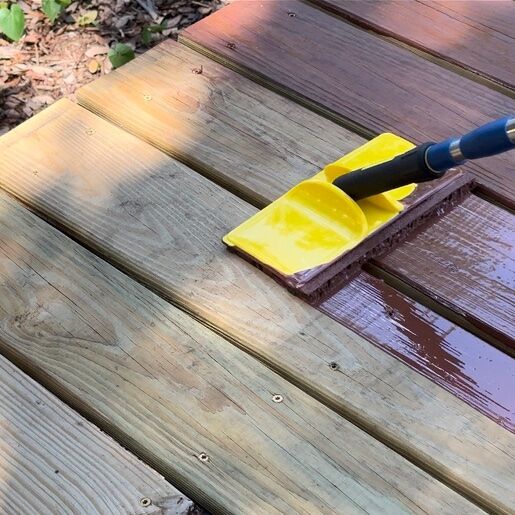
Pressure-treated wood still requires protection from moisture and UV exposure. Once the wood has dried sufficiently, follow the Woodrich System:
- Clean using EFC-38 Wood Cleaner & Mild Stripper
- Brighten and neutralize with Citralic Brightener & Neutralizer
- Dry for 24–48 hours
- Protect with Woodrich Brand Timber Oil Deep Penetrating Stain
- Wipe off excess oil after 30–60 minutes
This process seals internal fibers while allowing the wood to breathe.
Choosing the Right Material for Each Deck Component
The best deck builds use the right material in the right place. Pressure-treated wood excels in hidden, structural areas where strength and moisture resistance matter most. For visible surfaces, homeowners often choose cedar, hardwoods, or composites for appearance and comfort.
A balanced approach improves durability, aesthetics, and long-term maintenance.
Build Smart, Protect Smart
Pressure-treated wood plays a critical role in deck construction, but it’s not the only solution. Knowing where it’s required and where alternatives make sense allows you to build a safer, more attractive deck.
With proper material selection and protection using Woodrich Brand Timber Oil Deep Penetrating Stain, your deck structure will remain strong and dependable for years to come.
FAQs
Do deck boards have to be pressure-treated?
No. Many decks use cedar, hardwoods, or composite boards over pressure-treated framing.
Is pressure-treated wood safe for outdoor use?
Yes. Modern pressure-treated lumber is approved for residential use when installed correctly.
Can you stain pressure-treated wood?
Yes, once the wood has dried properly, penetrating oil stains work best.
How long does pressure-treated wood last in a deck?
With proper installation and maintenance, it can last 20 years or more.
Written by: Russell Cissell
Revised by: Mary Cissell