
When you glance at homes across the United States today, it’s common to see that a large number of them feature outdoor decking. This outdoor living space has become a staple in many households, providing a versatile area for relaxation, entertaining, and enjoying the outdoors.
However, when it comes to repairing or constructing a deck, the process can often be overwhelming due to the array of material choices available. From traditional wood options like cedar and redwood to composite materials and tropical hardwoods, each type comes with its own set of advantages and considerations.
Given that outdoor decking is a long-term investment in your property, it’s crucial to choose a material that not only suits your aesthetic preferences but also aligns with your maintenance expectations, budget constraints, and environmental concerns. By carefully evaluating these factors, you can ensure that the deck you select will meet your needs and provide enjoyment for years to come.
Deck Designs and Wood Selection
When it comes to building a deck, the type of wood used is an important consideration. Not only does it affect the overall look and feel of your outdoor space, but it also plays a significant role in your deck’s durability and maintenance requirements. One factor that heavily influences the type of wood chosen for a deck build is the design of the deck itself.
Decks come in various shapes, sizes, and styles, each with its own unique design elements. For instance, a traditional square or rectangular-shaped deck may call for a dense and durable wood like cedar or redwood. These types of wood are known for their resistance to decay and insect infestations, making them suitable for structures that will be exposed to the elements.
On the other hand, if you’re looking to build a curved or intricate design for your deck, you may want to opt for softer woods such as pine or fir. These woods are more pliable and can be easily manipulated into different shapes without compromising their structural integrity.
In addition to considering the design of your deck, it’s essential to think about how you plan on using your outdoor space. Will it be primarily used for entertaining guests? Or will you use it as a quiet retreat? The answer to these questions can also influence your choice of wood. For example, if you envision lots of foot traffic on your deck, then choosing a hardwood like teak or ipe might be ideal due to their durability against wear and tear.
Ultimately, when selecting the type of wood for your deck build, carefully consider both its design and intended use. By doing so, you can ensure that your chosen wood will not only enhance the appearance of your outdoor space but also provide long-lasting functionality.
While no wood is completely immune from rotting and insect damage, some species do resist decay better than others.
Because of naturally occurring preservatives in the heartwood, insects, and fungi find some woods rather undesirable.
A chart at the end of this article may prove helpful for comparison.
Cedar Outdoor Decking Wood
 The main properties of western red Cedar are a natural beauty and resistance to decay and rot. These attributes make Cedar outdoor decking wood one of the best materials for outdoor decking. Cedar withstands decay and pests, and compared to other counterparts, retains its original appearance even after prolonged exposure. Naturally occurring oils present in Cedar are what make this wood so highly usable. It is well-fitted for constructing outdoor decking projects.
Cedar grows abundantly in the Pacific Northwest USA and Western Canada in a rather wet environment. Because of this, it develops a tight grain in its growth, providing its unique and desirable outdoor decking properties. Cedar’s heartwood is strong and doesn’t readily absorb moisture. This strength prevents problems such as twisting and splitting, therefore is very easy to work with. During construction, outdoor decking boards affix easily and remain flat and straight.
Once installed, Cedar can usually go for 10-15 years with little maintenance. Location, however, can largely affect the durability of Cedar. For example, ground level decking and sunlight exposure both can affect how dry or damp a deck stays.
Cedar is commonly available from leading wood stores across the states. Its price depends on the grade of wood purchased.
Redwood for Outdoor Decking & Siding

More commonly used to build high-quality furniture, Redwood offers superb usability for outdoor decking. It is a very stable wood and its heartwood is resistant to wood boring insects and weathering. especially “old growth”. This reduces the need for preservative chemicals in the drying process.
Given the steady nature of Redwood, it is less likely to warp and deform. It is advisable to predrill boards during installation of outdoor decking to prevent splitting. The wood contains a minimum amount of resin which helps it retain its finish. Under proper conditions and care, it can last as long as 30 years. To further prolong this wood, use a protective finish on outdoor decking built with Redwood. For suggested finishing options, you can check out our store.
The Price of Outdoor Decking Wood
Pricing of this wood can vary greatly depending on several factors. Redwood trees are dwindling, and as such, the availability of lumber may be reduced. Because of its outstanding usability but restricted availability, Redwood can be one of the most expensive options for outdoor decking purposes.
Pressure Treated Pine for Outdoor Decking Wood
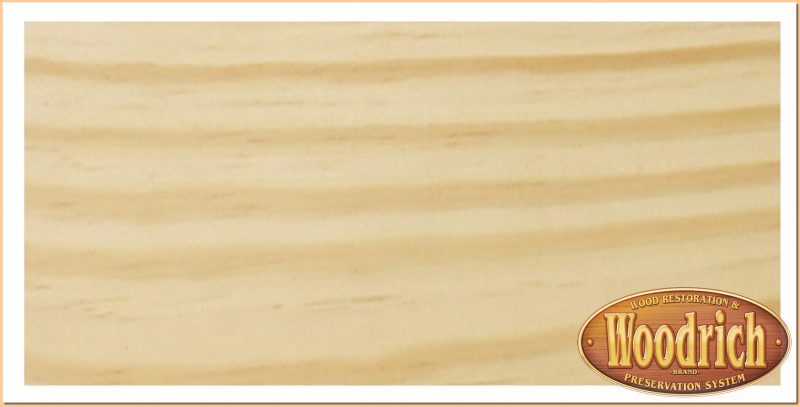 Pressure treated Pine, by definition, is pine wood that has undergone a chemical treatment using pressure. Because Pine is a soft wood, it is easier for the chemicals to penetrate and generally is the most popular option for pressure treatment. Considering pressure treated outdoor decking wood lasts longer due to bug and rot resistance, it is one of the most feasible options for building outside decking and porches.
Beyond the ease of workability, Pressure treated Pine is an excellent outdoor decking option because of its affordability. For the price, the promise of long-lasting performance is remarkable. PTP requires minimal maintenance as the treatment itself deters fungal and insect infestations. On an average, outdoor decking built with pressure treated pine can last between 10-15 years.
An example of a pressure-treated wood for Outdoor Decking can be seen here.
Douglas Fir for Outdoor Decking Wood
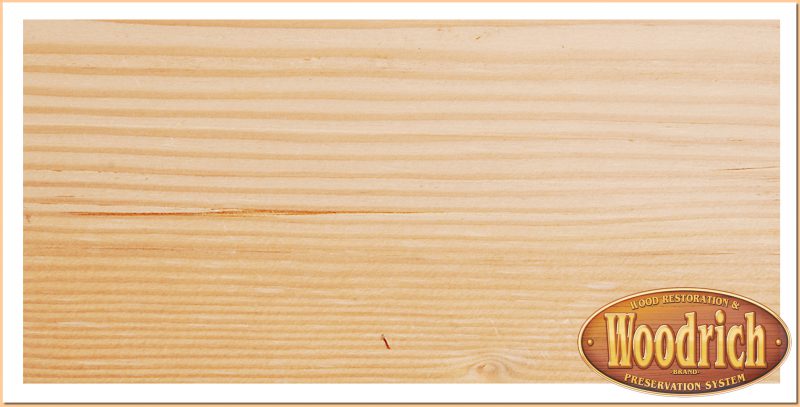 In the world of woods, Douglas Fir has held the top spot for flooring, but this wood does equally as well for outdoor decking spaces. It is easily attainable as it is widely produced. It is lightweight and easy to work with. Its screw and nail-holding abilities make it well-suited for outdoor decking projects.
Douglas fir is very stable and contains only a few knots. Consistent expansion and contraction in response to heat and moisture make it an unlikely candidate for warping and deformation, giving an added value for outdoor decking. Untreated Douglas fir can last 10-15 years when used for outdoor decking.
Douglas Fir heartwood is moderately tolerant to decay and rot, but it is susceptible to insect attack. If choosing this wood for outdoor decking use, a quality stain is highly recommended for improving its longevity and performance. Douglas Fir is available as lumber for a modest price, however, old growth lumber can have a much higher price range.
Ipe for Outdoor Decking Wood

Ipe is easily one of the most beautiful woods chosen for outdoor decking construction. Indigenous to Central and South America, Ipe boasts a long list of natural attributes. It remains stable and strong in various environments. Ipe has a Class A fire rating and is highly resistant to termites and decay. History shows this wood can perform for decades. Ipe is proving to be the wood of choice for architects and designers.
The natural colors in Ipe are browns, reds, and golds. Over time and unprotected, Ipe will fade to a silver patina. Changing of color though, will not affect the integrity of the wood itself.
The heartwood of Ipe has a dense, interlocking grain. These wavy and straight grain patterns offer superb slip resistance, yet another desirable trait for outdoor decking wood.
Ipe is an incredibly hard wood and may be difficult to work with, requiring special tools. Ipe will cost more initially. First, because of its accessibility and second, the challenges of working with this wood. Considering the many attributes of Ipe, return on that investment is guaranteed.
You can see examples of Ipe for outdoor decking by checking these projects: Ipe Deck: Full Restoration Ipe Deck and Teak Accent Furniture: Totally Restored
Cambara for Outdoor Decking Wood
 Commonly known as Brazilian Mahogany, Cambara is a species with large habitats in South America. Cambara is often chosen as a tropical alternative to domestic outdoor decking products like Redwood or Cedar.
Renowned for its classic beauty the pink to golden-brown heartwood of Cambara imparts a consistent color for outdoor decking. This wood is only slightly sensitive to sunlight, which means that it can last longer when used for outdoor decking projects. Cambara is easy to work with and can be fastened with steel screws or nails. The heartwood of Cambara is reasonably durable and is resistant to wood borers. It is moderately resistant to fungi but susceptible to termites.
For its natural properties, Cambara is a very competitive alternative to indigenous species in terms of pricing and performance.
Jatoba for Outdoor Decking Wood
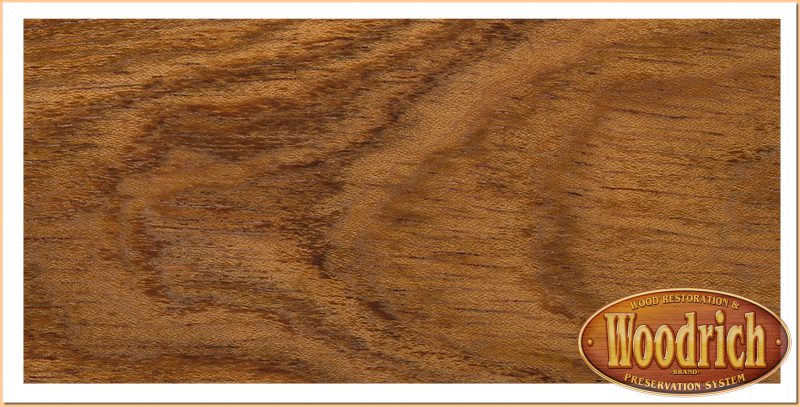 An increasingly popular hardwood in both North and South America, Jatoba (Scientific Name: Hymenaea courbaril) is an exotic wood with superb durability and functional strength.
Jatoba heartwood can have a varied appearance from red to an orange-brown with often pinkish white or gray sapwood. Upon prolonged exposure to sunlight, the heartwood darkens to a red-brown color. Though Jatoba does not need any additional preservatives, a quality stain is recommended to protect and retain the natural color.
The grain of Jatoba is averagely interlocked with a coarse texture. Though less dense than Ipe, it is still a hardwood and can be slightly more difficult to work with. With strong supply pipelines, Jatoba can be almost 30% cheaper than Ipe.
As it is a tropical wood, it is highly resistant to rot and insects. Jatoba is a perfect choice for a new deck that offers ambiance for a very long period of time. The medium to high price range of Jatoba takes into account its color, beauty, and durability.
Tigerwood for Outdoor Decking Wood
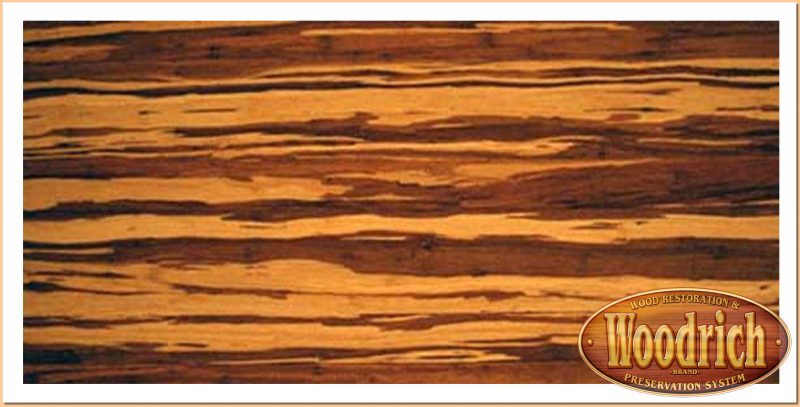 The tigerlike appearance, reddish-brown with richly mottled dark brown streaking, is what gives Tigerwood its name. This hardwood is considered one of the hardest and most durable woods for outdoor decking projects.
Tigerwood offers stability in different seasons and climates. It provides amazing resistance to scratching, making it a perfect choice when pets, patio furniture, or high traffic are concerns. Tigerwood is also naturally resistant to pests.
The irregular grain adds to density and a higher degree of difficulty when building may be experienced when working with Tigerwood. It can dull tools quickly and predrilling is recommended during construction.
Tigerwood will oxidize over time to a slightly gray tone. Use of a quality stain will protect the exotic look of this wood.
Here is an example of Tigerwood for Outdoor Decking.
Siberian Larch for Outdoor Decking Wood
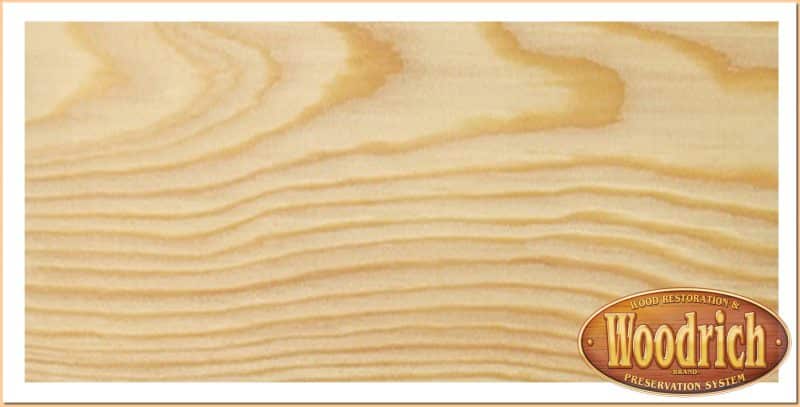 Sometimes called “the Tree of Eternity”, Siberian Larch is the epitome of longevity. It has been used for building homes and outdoor decking for years due to its impressive stability and low cost of installation and maintenance.
Siberian Larch offers a high percentage of heartwood and provides quite an aesthetically beautiful timber. The wood is golden yellow in color and has a strong grain pattern. As the heartwood is less permeable than sapwood, Siberian Larch outperforms most of the conventional outdoor decking materials.
The vast array of physical properties of Siberian Larch come from its habitat and ecology. It grows in the harsh North Russia climate which gives the wood higher density making it naturally resistant to decay and insects. Because Siberian Larch forests are legal and well managed, this a very sustainable product to choose.
Purple Heart for Outdoor Decking Wood
 Purple Heart is simply a natural masterpiece in the outdoor decking world. It is native to the Guiana region of South America and because of its habitat possesses a number of desired qualities for outdoor decking projects.
The wood is an exotic deep purple and weathers to a grayish-brown tone with oxidation. However, use of a quality oil to protect the outer layer will allow its striking purple coloring.
The grain of Purple Heart wood is primarily straight but can be found with irregular and wavy patterns. It is easy to work with, however, carbide blades are recommended for maximum efficiency.
The density of this amazing hardwood makes it extremely durable and resistant to both insects and decay. These qualities, coupled with its notable color, make Purple Heart an excellent choice for any outdoor decking space.
An example of Purple Heart for outdoor decking can be seen here.
What’s the Best Outdoor Decking Material for Your Project?
For a better review of these above-mentioned woods, following is a table comparing important properties of these woods. These include costs, availability, durability, workability, and key advantages.
To see examples of decks built with the aforementioned woods, please visit the Woodrich Brand gallery.
FAQ Regarding Outdoor Decking Wood Choices
Q: What is the best wood for outdoor decks?
A: The best wood for outdoor decks balances durability, aesthetic appeal, and budget. Options like western red Cedar, Redwood, and Ipe are highly regarded for their natural resistance to decay and pests.
Q: Can Douglas fir be used for deck boards?
A: Douglas fir is a strong and stable wood that works well for deck boards, especially when treated with a quality stain to improve its longevity and rot resistance.
Q: What are the desirable traits of wood for outside decks?
A: When selecting wood for outside decks, important traits include durability against rot and insect damage, dimensional stability to prevent warping or splitting, and aesthetic qualities that align with your design preferences.
Q: Why is pressure-treated Pine popular for outdoor decking?
A: Pressure-treated Pine is favored for its affordability, ease of workability, and enhanced resistance to rot and insect damage due to its chemical treatment.
Q: What wood is commonly used for decks and why?
A: Woods like Cedar, Redwood, pressure-treated Pine, and exotic hardwoods like Ipe are commonly used for decks. Their usage is due to their strength, durability, and resistance to natural elements, making them ideal for long-lasting outdoor structures.
Q: How does fir compare to other decking board materials?
A: Fir decking boards often offer a modest price and good stability. However, they may require more maintenance than other materials and are less resistant to decay or insects unless properly treated.
Q: What factors should be considered when choosing the best wood for a deck?
A: Consider the wood’s resistance to rot and insects, maintenance requirements, lifespan, workability, aesthetics, and cost. These factors will ultimately influence your outdoor deck’s long-term satisfaction and performance.
Q: Are there different qualities of wood for outdoor deck options?
A: Absolutely. Woods vary in quality based on factors such as the presence of natural oils, tightness of the grain, and whether the wood is “old growth” or “new growth.” These differences can significantly impact the wood’s performance and longevity as a decking material. It’s essential to research and choose high-quality wood for your outdoor deck.
Tips for Choosing the Best Wood for Your Outdoor Deck
When it comes to selecting the best wood for your outdoor deck, there are several factors to consider. Here are some tips to help you make an informed decision:
- Durability: Look for woods that are naturally resistant to rot and insects or can be treated to enhance these qualities. This will ensure your deck lasts longer and requires less maintenance.
- Dimensional Stability: Choose woods that have good dimensional stability, meaning they won’t warp or split easily when exposed to outdoor elements. This is especially important in areas with extreme weather conditions.
- Aesthetics: Consider the overall look and feel you want for your deck. Woods like Cedar and Redwood have a natural beauty that many homeowners find appealing, while pressure-treated Pine offers a more affordable option.
- Cost: Determine your budget and research the cost of different wood options before making a decision. Keep in mind that higher quality woods may come at a higher price but can offer better long-term value.
- Workability: If you plan on building the deck yourself, make sure to choose wood that is easy to work with and won’t require specialized tools or techniques.
- Maintenance: Consider how much time and effort you are willing to put into maintaining your deck. Some woods, like Ipe, may require less maintenance but come at a higher cost, while others, like Fir, may need more regular upkeep.
By carefully considering these factors and doing proper research, you can choose the best wood for your outdoor deck that meets your needs and preferences. Remember to prioritize durability and maintenance to ensure a long-lasting and beautiful addition to your home.