
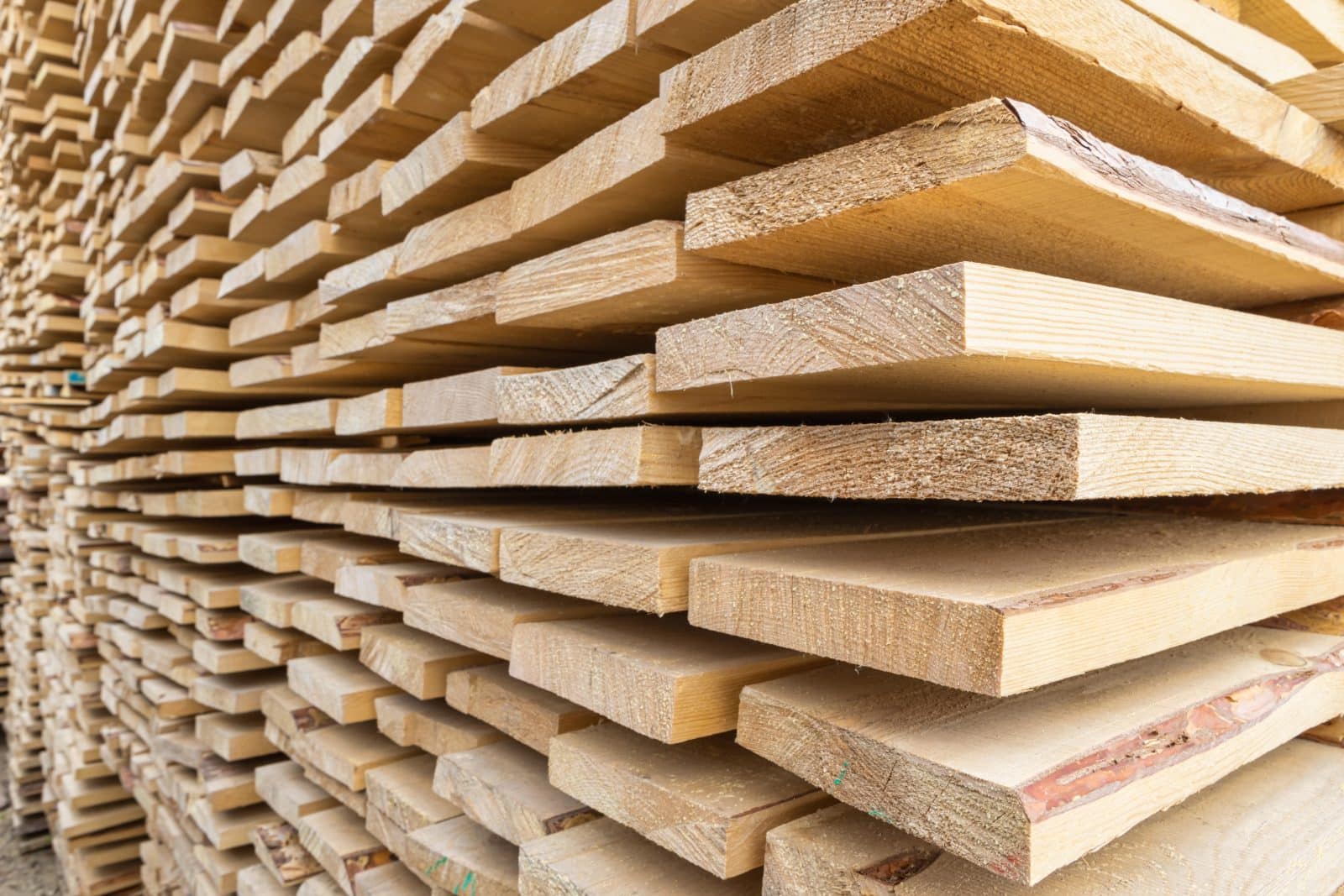
Not all lumber is created equal. Even when boards look similar at first glance, differences in grading can affect strength, appearance, and how well a deck holds up over time. Choosing the correct lumber grade is essential for building a deck that is safe, structurally sound, and visually appealing.
In this guide, Woodrich Brand explains how lumber grading works, which grades are best for different parts of a deck, and how to make smart choices that balance performance, cost, and longevity.
Table of Contents
ToggleWhat Does Lumber Grade Mean?
Lumber grades indicate the quality and structural integrity of a piece of wood. Grades are assigned based on factors such as:
- Number and size of knots
- Grain consistency
- Cracks, splits, or checks
- Overall strength and load-bearing capacity
Structural components are graded for strength, while appearance grades focus more on visual uniformity. Understanding the difference helps you choose the right board for the right purpose.
What Grade of Wood Should You Use for a Deck Frame?
Deck framing carries the weight of the entire structure, so structural-grade lumber is required.
For posts, beams, and joists, look for:
- No. 1 or No. 2 pressure-treated lumber
- Grade stamps indicating suitability for structural use
- Boards rated for ground contact where required
No. 2 grade lumber is commonly used and code-compliant for residential decks, offering a good balance between strength and cost. No. 1 grade has fewer defects and slightly higher strength but is more expensive and often unnecessary for most homes.
What Grade of Lumber Is Best for Deck Boards?
Deck boards are more about appearance and durability than structural strength. Common options include:
- Select or Premium grades: Fewer knots, smoother grain, and a more uniform look
- Standard grades: More knots and variation, but still suitable for decking
- Clear grades: Minimal defects and a refined appearance, typically higher cost
For cedar and redwood decks, Select or Premium grades are often preferred for visible surfaces. For pressure-treated decking, choose boards that are straight, with minimal checking and tight knots.
How Does Lumber Grade Affect Deck Longevity?
Higher-grade lumber generally performs better over time because it has fewer weak points where moisture can enter. Large knots, cracks, and grain irregularities can lead to faster deterioration if left unprotected.
Regardless of grade, all exterior lumber should be sealed with a penetrating oil finish to protect against moisture and UV exposure.
What Lumber Grade Should You Avoid for Deck Construction?
Some grades are not suitable for decking and should be avoided:
- Utility or Economy grades: Often contain excessive knots, splits, and warping
- Unstamped lumber: Lacks verification of strength and treatment
- Interior-use lumber: Not rated for outdoor exposure or moisture
Using low-grade lumber may reduce upfront costs but often leads to early repairs or replacement.
How Should You Protect Any Grade of Deck Lumber?
Even the best lumber grade needs protection to perform outdoors. Follow the Woodrich System to maximize lifespan:
- Clean with EFC-38 Wood Cleaner & Mild Stripper to remove dirt and mill glaze
- Brighten and neutralize with Citralic Brightener & Neutralizer
- Dry for 24–48 hours
- Protect using Woodrich Brand Timber Oil Deep Penetrating Stain for softwoods or Hardwood Wiping Stain for dense hardwoods
- Wipe off excess oil after 30–60 minutes
This process seals the wood fibers while allowing the surface to breathe.
Choosing the Right Grade for Each Part of Your Deck
A well-built deck uses different lumber grades strategically:
- Structural frame: Strength-rated pressure-treated lumber
- Deck boards: Appearance-focused grades with fewer defects
- Railings and trim: Higher-grade boards for comfort and aesthetics
This approach ensures safety, durability, and a clean, finished look without overspending.
Build With Confidence and the Right Materials
Selecting the proper lumber grade is just as important as choosing the right wood species. When the correct grades are used in the right locations and protected properly, your deck will remain safe, stable, and attractive for decades.
By combining quality lumber with Woodrich Brand Timber Oil Deep Penetrating Stain, you protect your investment and simplify long-term maintenance.
FAQs
Is No. 2 lumber strong enough for a deck frame?
Yes. No. 2 grade pressure-treated lumber is commonly used and approved for residential deck framing.
Can I use appearance-grade lumber for structural parts?
No. Structural components must meet strength-grade requirements regardless of appearance.
Does higher-grade lumber require less maintenance?
Not necessarily. All exterior wood requires regular cleaning and protection.
How can I tell what grade lumber is?
Check the grade stamp on each board, which indicates strength rating, species, and treatment.
Written by: Russell Cissell
Revised by: Mary Cissell