
A wood deck is more than an outdoor structure. It’s an extension of your home, a place for gatherings, and an investment that adds long-term value when built and maintained correctly. From choosing the right materials to protecting the wood against weather and wear, every step matters.
This complete guide from Woodrich Brand brings together everything homeowners need to know about building, maintaining, and protecting a wood deck for lasting beauty, safety, and performance.
Table of Contents
ToggleWhat Should You Consider Before Building a Wood Deck?
Planning is the foundation of a successful deck project. Before construction begins, consider:
- Local building codes and permit requirements
- Deck size, height, and layout
- Intended use, such as entertaining or heavy foot traffic
- Climate exposure, including sun, rain, and humidity
Proper planning ensures your deck is structurally sound, code-compliant, and designed to last.
What Materials Are Best for Building a Wood Deck?
Choosing the right materials directly affects durability and maintenance needs.
Common deck framing materials include pressure-treated lumber, which is required for posts, beams, and joists due to its resistance to rot and insects.
For decking surfaces and railings, homeowners often choose:
- Cedar or redwood for natural beauty and moderate durability
- Tropical hardwoods like Ipe or Garapa for maximum longevity
- Pressure-treated boards for cost-effective builds
Selecting the correct lumber grade and the right decking wood species for each component ensures both safety and visual appeal.
How Do You Build a Strong and Square Deck Frame?
A properly built frame supports the entire deck and prevents long-term issues such as sagging or uneven boards.
Accurate layout is critical. Many builders rely on proven layout techniques like the 3-4-5 method to square the frame and ensure clean, straight lines.
Posts must be securely anchored, beams properly supported, and joists evenly spaced to meet load requirements. Cutting corners during framing often leads to costly repairs later.
What Role Do Handrails and Safety Features Play?
Handrails are essential for decks elevated more than 30 inches above ground. Beyond code compliance, they contribute to comfort and aesthetics.
Key considerations include:
- Proper height and spacing
- Secure attachment to framing
- Use of corrosion-resistant fasteners
- Smooth, splinter-free surfaces
Well-built railings improve safety and complete the deck’s overall design.
Why Is Proper Deck Maintenance So Important?
Even the best-built deck will deteriorate without routine care. Dirt, moisture, and UV exposure slowly break down unprotected wood.
Regular maintenance prevents:
- Mold and mildew growth
- Wood rot and structural weakening
- Cracking, warping, and splintering
- Premature graying and fading
Annual cleaning and periodic refinishing are far easier and less expensive than major repairs.
How Should You Clean and Prepare a Wood Deck?
Cleaning prepares wood for protection and restores its natural appearance. Follow the Woodrich System for consistent results:
- Clean with EFC-38 Wood Cleaner & Mild Stripper to remove dirt, mildew, and residues.
- Brighten and neutralize using Citralic Brightener & Neutralizer to restore color and balance pH.
- Dry the wood for 24–48 hours before finishing.
This process ensures stains penetrate evenly and perform as intended.
What Is the Best Way to Protect a Wood Deck?
Protection is what allows a deck to withstand years of exposure. Penetrating oil-based stains are the preferred solution for natural wood decks because they soak into the fibers instead of forming a surface film.
Choose the stain based on wood type:
- Softwoods: Use Woodrich Brand Timber Oil Deep Penetrating Stain
- Dense hardwoods: Use Hardwood Wiping Stain
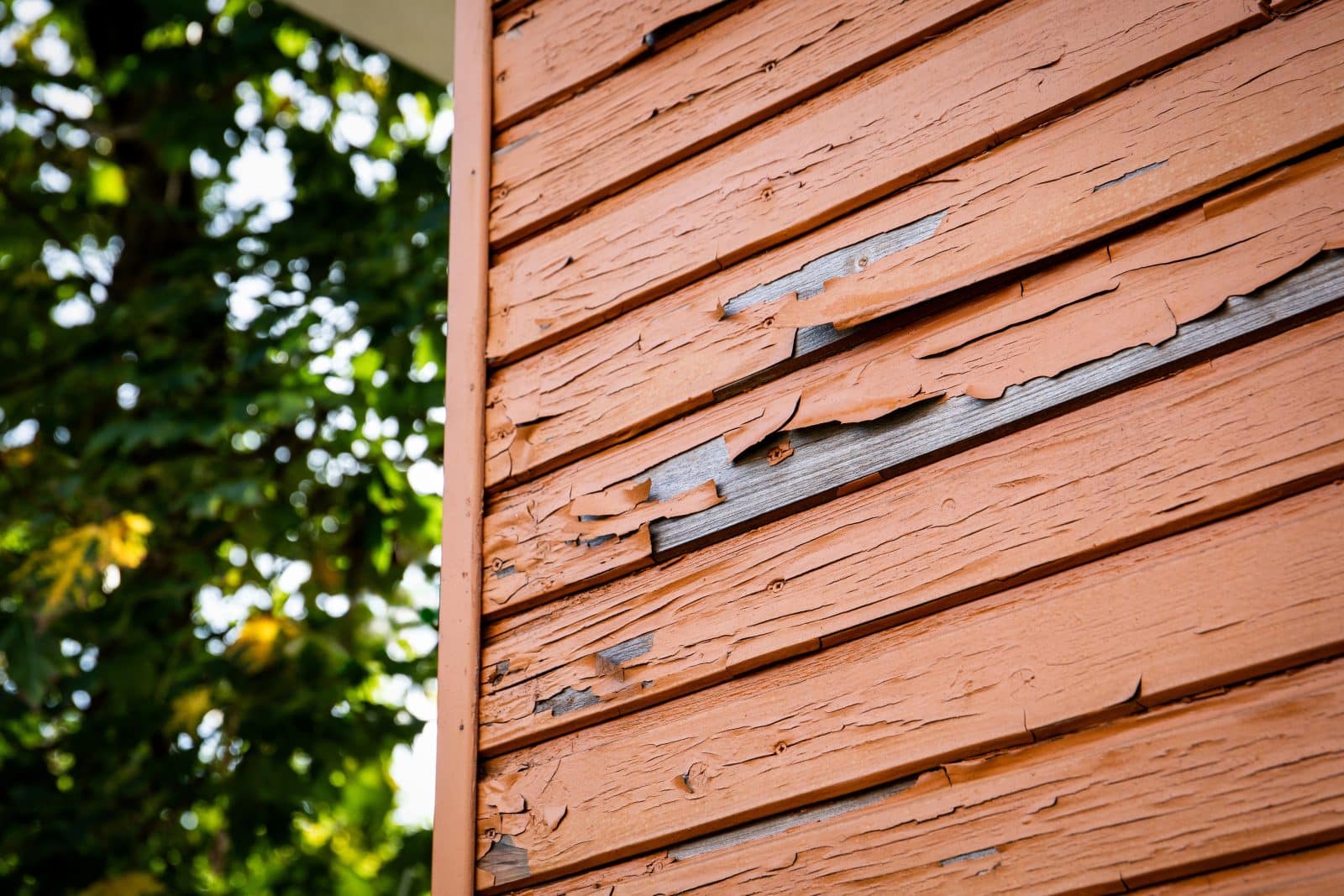
These products repel moisture, resist UV damage, and never peel or flake when maintained properly.
How Often Should a Wood Deck Be Refinished?
Most decks benefit from reapplication every 2–3 years, depending on sun exposure, climate, and foot traffic.
Unlike film-forming coatings, penetrating oil finishes do not require stripping or sanding for maintenance coats. A simple clean-and-recoat process keeps the deck protected and looking natural.
How Do You Prevent Common Deck Problems?
Long-term deck performance depends on prevention. Key practices include:
- Keeping debris off the surface
- Ensuring proper drainage and airflow
- Inspecting annually for loose boards or fasteners
- Addressing mold, mildew, or rot early
Consistent care extends the life of your deck and preserves its structural integrity.
A Smarter Approach to Deck Ownership
A well-built and well-maintained wood deck can last decades while remaining safe and beautiful. By choosing quality materials, following proven construction practices, and protecting the wood with penetrating oil finishes, homeowners can avoid common failures and costly repairs.
With the right approach and Woodrich Brand products, your deck becomes a long-term asset—naturally protected, easy to maintain, and built to be enjoyed year after year.
FAQs
How long does a properly maintained wood deck last?
With correct construction and regular maintenance, a wood deck can last 20–40 years or more.
Do I need to stain my deck every year?
No. Most penetrating oil stains last 2–3 years before needing reapplication.
What is the biggest mistake homeowners make with decks?
Skipping preparation and applying finishes too soon or too thick.
Can an old deck be restored instead of replaced?
Yes. Many decks can be cleaned, repaired, and refinished instead of rebuilt.
Written by: Russell Cissell
Revised by: Mary Cissell