
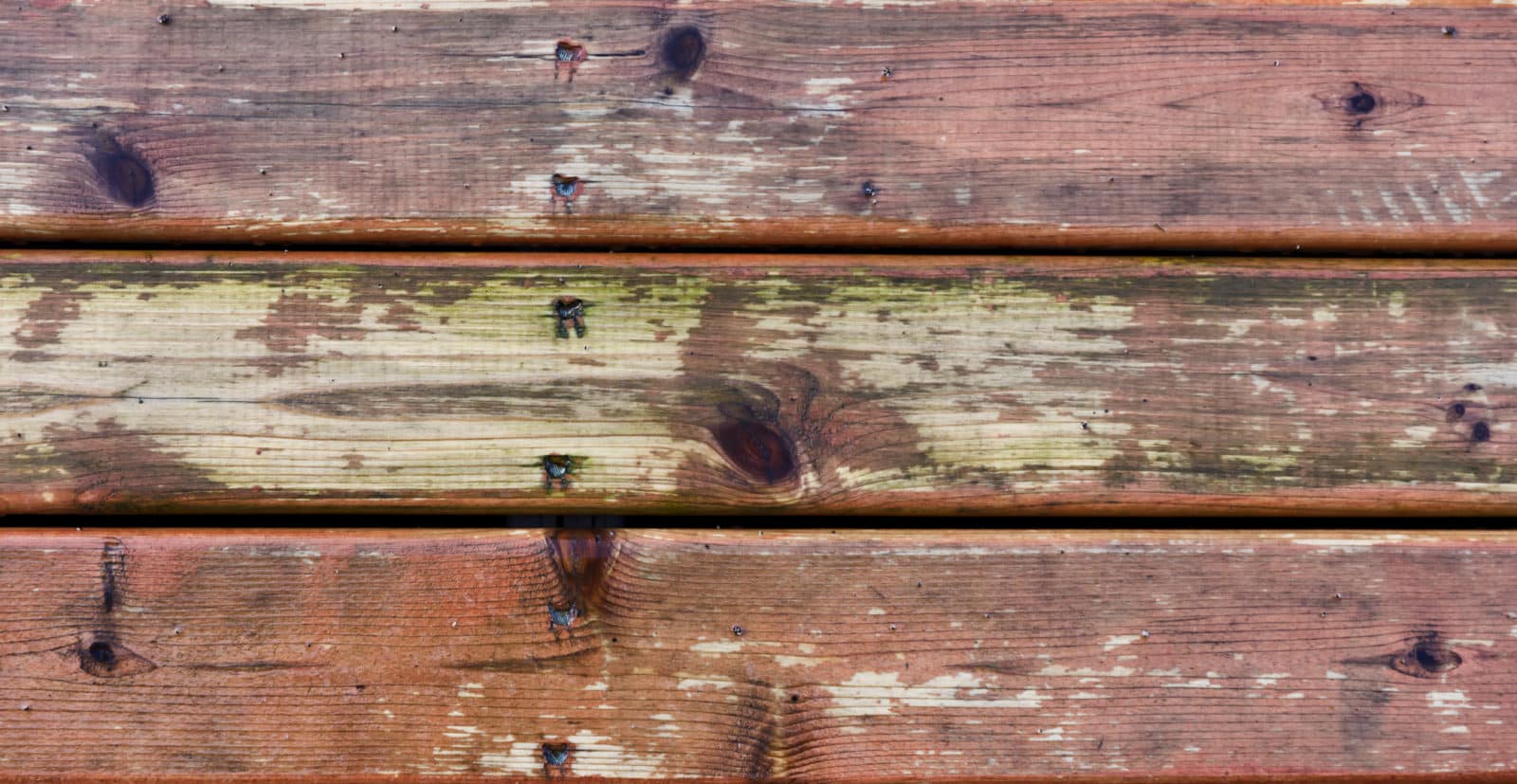
Wood furniture adds warmth and character to outdoor and indoor spaces, but moisture and poor airflow can quickly lead to mold growth. Left untreated, mold can stain the wood, weaken the finish, and create persistent odors.
In this guide, Woodrich Brand explains how to remove mold from wood furniture safely, how to protect the existing finish, and what steps to take to prevent future growth.
Table of Contents
ToggleWhy Does Mold Grow on Wood Furniture?
Mold develops when moisture becomes trapped on or within the wood surface. Outdoor furniture, covered patios, basements, and poorly ventilated rooms are especially vulnerable.
Common causes include:
- High humidity or frequent rain exposure
- Furniture placed directly on damp ground or grass
- Organic buildup such as pollen or dirt
- Finishes that have worn thin and no longer repel moisture
Understanding the cause helps you remove mold effectively and prevent it from returning.
How Do You Remove Mold From Wood Furniture Safely?
The key to mold removal is using cleaners that eliminate spores without stripping the wood or damaging the finish. Avoid harsh chemicals or bleach, which can discolor wood and weaken fibers.
Follow these steps:
- Move the furniture to a well-ventilated area, preferably outdoors.
- Brush off loose mold using a soft-bristle brush.
- Apply EFC-38 Wood Cleaner & Mild Stripper, diluted according to instructions.
- Gently scrub affected areas and allow proper dwell time.
- Rinse with low-pressure water and avoid soaking the wood.
This process removes surface mold and organic residue that feeds regrowth.
How Do You Protect the Finish While Cleaning?
Preserving the existing finish requires a gentle approach. After cleaning, apply Citralic Brightener & Neutralizer to restore the wood’s natural tone and rebalance pH levels. This step prevents blotching and prepares the surface for protection.
Allow the furniture to dry completely for 24–48 hours before applying any protective finish.
If the existing finish is thin or worn, reapplying a penetrating oil helps restore moisture resistance without creating buildup.
What Finish Works Best to Prevent Mold on Wood Furniture?
Penetrating oil finishes are ideal for furniture because they soak into the wood instead of forming a surface film that can trap moisture.
Use:
- Woodrich Brand Timber Oil Deep Penetrating Stain for softwoods like cedar or pine
- Hardwood Wiping Stain for dense woods such as teak or Ipe
These finishes repel water while allowing the wood to breathe, reducing the conditions mold needs to grow.
How Can You Prevent Mold From Coming Back?
Long-term prevention depends on reducing moisture and maintaining protection.
Best practices include:
- Cleaning furniture at least once per year
- Elevating furniture off damp surfaces
- Allowing airflow around pieces during storage
- Using breathable covers instead of plastic
- Reapplying oil-based protection every 2–3 years
Consistent care keeps furniture dry, protected, and visually appealing.
Keep Wood Furniture Clean and Protected
Mold doesn’t have to ruin your wood furniture. With proper cleaning, gentle products, and a breathable oil-based finish, you can restore your furniture without damaging the wood or its appearance.
By following the Woodrich System and maintaining regular care, your furniture will remain strong, clean, and mold-resistant for years.
Written By: Mary Cissell