
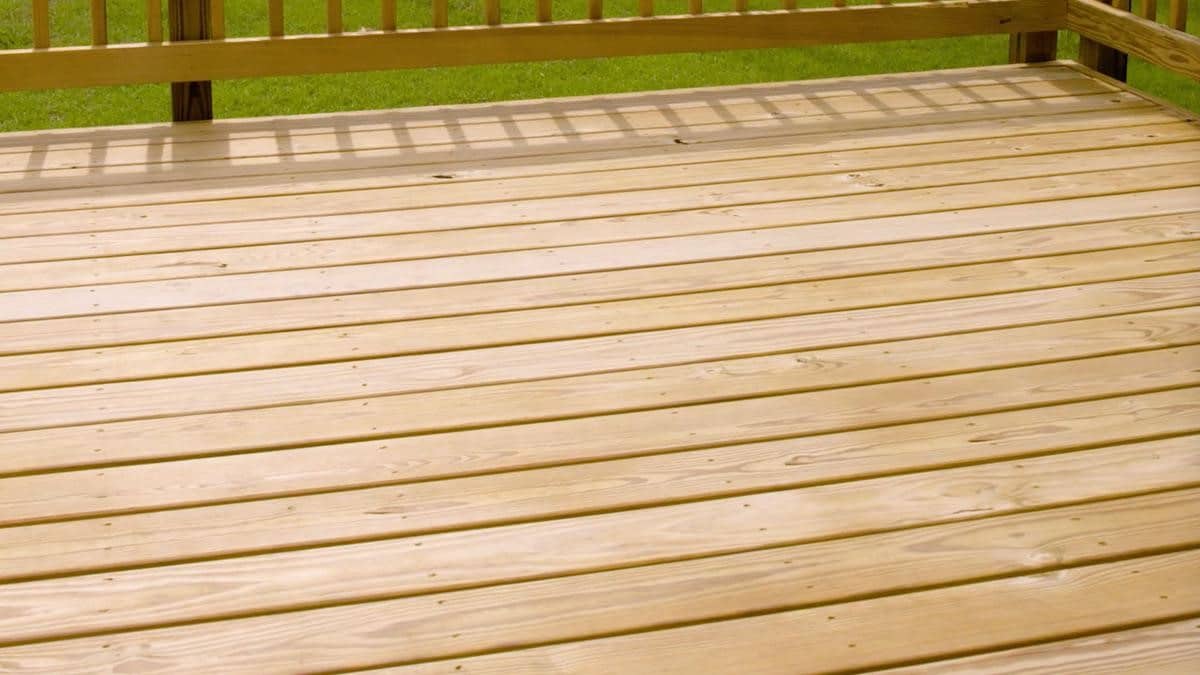
Pressure Treated Pine is among the most common forms of lumber consumed in North America. Its strength, cost-effectiveness, and durability against rot have made it a key component of outdoor construction ranging from family backyard decks to fences and landscaping features. But where does it originate, and why is it so successful?
Where Is Pressure Treated Pine Grown?
Most of the Pressure Treated Pine is derived from rapidly growing Southern Yellow Pine trees, which are widely seen throughout the Southeastern United States—particularly in Georgia, Alabama, Mississippi, and the Carolinas. Those areas provide the ideal climate and soil conditions to grow pine trees in controlled forests, making them a renewable source for lumber harvesting.
The trees are cut, milled, and delivered to treatment plants where they undergo the pressure treatment process. This treatment significantly increases the strength of the Pine Wood, making it appropriate for use in outdoor settings where moisture, insects, and fungal rot are issues.
How Much Pressure Treated Pine Is Sold Each Year?
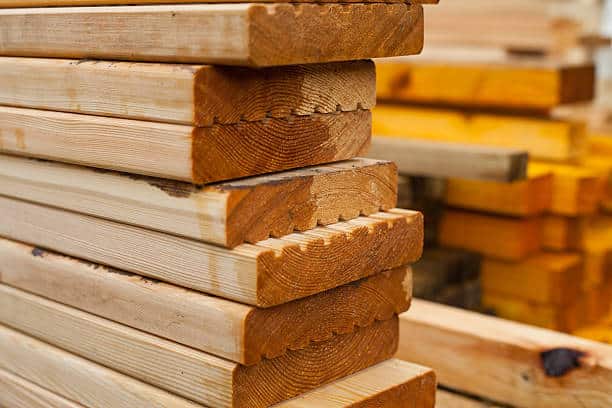
Pressure Treated Pine is the lumber industry leader. The U.S. alone uses more than 10 billion board feet of treated lumber every year. That’s enough to wrap around the earth several times. The reason it has such a high demand is that the wood is versatile and it provides an affordable substitute for exotic hardwoods and composites.
Whether for new decks in suburban houses or fence replacement in rural homes, Pressure Treated Pine remains a top choice for contractors as well as DIY homeowners.
Why Do People Prefer Pressure Treated Pine?
There are lots of reasons why people love Pressure Treated Pine:
Affordability: It’s affordable, particularly when pitted against hardwoods such as Redwood or Ipe.
Durability: The process of treatment makes the Pine resistant to rot, bugs, and mold, which lengthens its lifespan.
Availability: Readily available in most home improvement centers and lumber yards.
Workability: Pine is simple to cut, form, and attach, which makes it perfect for both professionals and hobbyists.
Most of all, it gives them peace of mind. Homeowners who use Pressure Treated Pine understand that they are using a product that has been designed to endure, particularly when combined with the proper wood maintenance products.
Regional Differences in Sourcing
Various parts of the United States depend on local mills for their wood requirements. Here’s the way it typically works:
South: It is the main source of Southern Yellow Pine employed in pressure-treated wood.
Midwest: Frequent sources Pine Lumber from Southern mills but also uses locally found white pine for untreated purposes.
Northeast: May depend more on spruce and white pine but still imports treated lumber from southern states.
West Coast: Though Douglas Fir and Redwood stand out here, treated Pine is also imported for low-cost applications.
Despite the uniform treatment process that makes Pressure Treated Pine performance standardized, slight variations in density or grain pattern may be observed based on the location where the Pine Wood was originally cut.
How Does the Wood Differ Region to Region?
Although pressure treatment itself is the same throughout regions, natural pine wood properties are slightly different:
Southern Yellow Pine – Heavy and strong. It takes treatment chemicals well and is the best species for pressure treating.
Northern Pines (White Pine, Jack Pine) – Less hard and less dense. These trees are typically not treated or are treated for above-ground-only uses.
Most Pressure Treated Pine that is commercially available for use outside originates from Southern Yellow Pine, as it is more compatible with the chemical treatment process.
Final Words
At Woodrich Brand, we understand that your deck, fence, or outdoor building is more than just wood, it’s an investment. That’s why learning about your material helps you get it right the very first time. We don’t just provide premium wood care systems; we also help you select the correct type of lumber and how to bring it back to life and care for it like a pro.
Whatever you’re doing, whether you’re starting out on your project or correcting an old error, we’re here to assist you in regaining your confidence because there’s no such thing as a better feeling than taking a step back and saying, “I did that. And I did it correctly.”
FAQs
1. What is Pressure Treated Pine composed of?
Pressure Treated Pine is usually composed of Southern Yellow Pine trees, which are pressure-treated with preservative chemicals that will help them resist rot, insects, and moisture damage.
2. Is Pressure Treated Pine safe for pets and children to be around?
Yes, modern Pressure Treated Pine employs EPA-sanctioned chemicals that are safe for home use when properly handled and installed.
3. Can I stain or seal Pressure Treated Pine immediately?
No. Allow the wood to dry—usually 30 to 60 days before staining or sealing. This provides a better absorption and longer-lasting finish.
4. How long does Pressure Treated Pine last outside?
It can last 15 to 20 years or more with proper care, depending on exposure, climate, and how well it’s cared for.
5. Does Pressure Treated Pine warp or crack with age?
As with all wood, it will warp or crack if not sealed or stained. Proper maintenance with a good wood care system maintains its integrity.
Having trouble selecting the appropriate treatment for your Pressure Treated Pine? Call Woodrich Brand today and begin your project with confidence.