
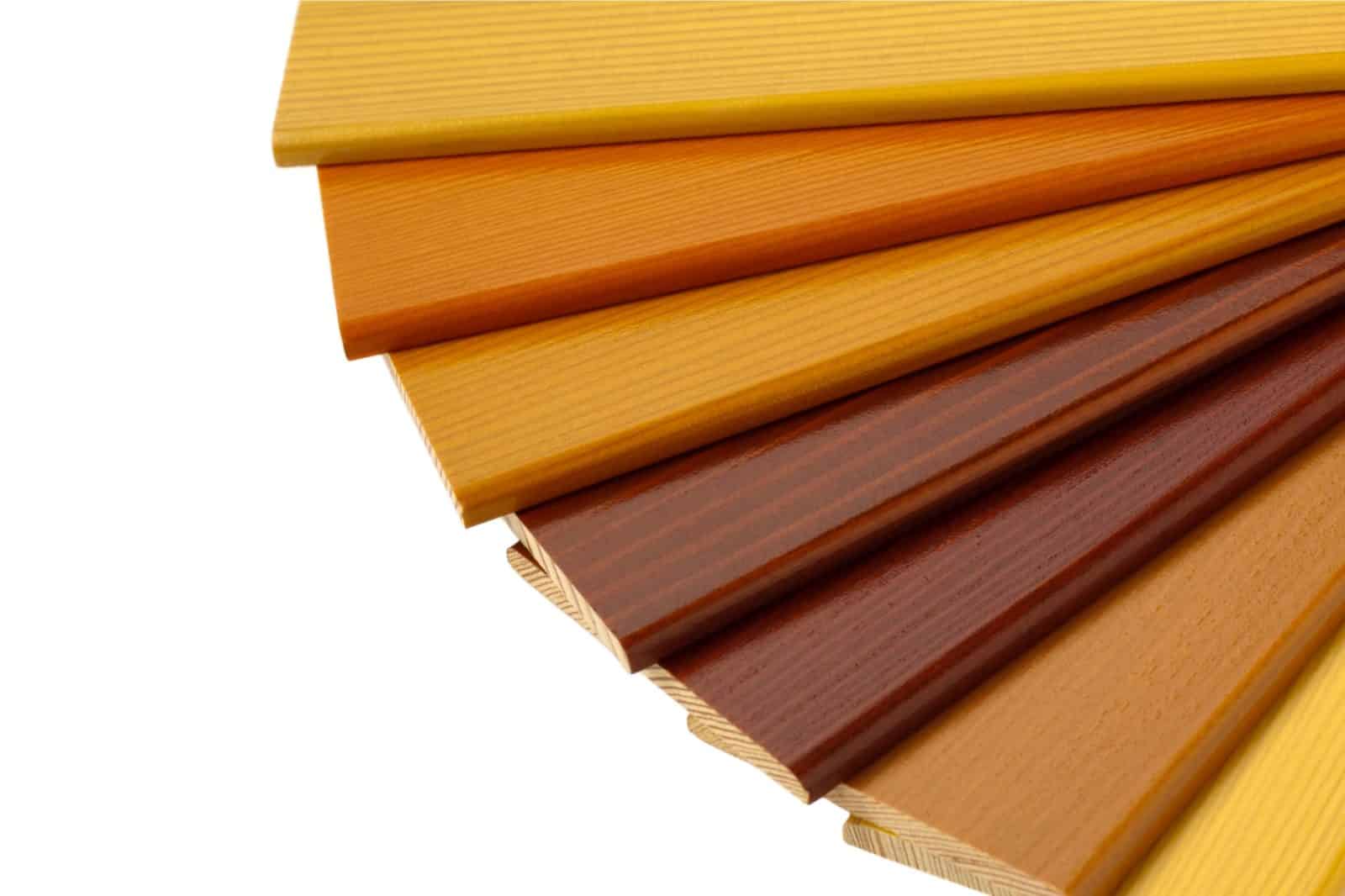
Choosing the right wood stain color can make or break the final look of your deck, fence, or siding. With so many types and finishes on the market, it’s easy to get overwhelmed. This guide will help you cut through the noise by explaining how different stain types behave, how they impact the look and longevity of your project, and why Woodrich Brand’s transparent toner stains might just be the best option you’ve never tried.
The Problem with Solid Stain Colors
Solid stains are often marketed like paint, and in some ways, they are. These “film-forming” products lay on top of the wood, creating a surface layer that hides the grain and texture. While they can come in any color imaginable—from barn red to coastal gray—they completely mask the natural beauty of the wood. Worse yet, solid stains are notorious for peeling and cracking as the wood expands and contracts with moisture and temperature changes. Once they fail, you’re stuck with hours (or days) of stripping or sanding to fix it.
Semi-Solid and Semi-Transparent: Not Much Better
Semi-solid and semi-transparent stains are sometimes offered as a compromise. They let a little bit of grain show through but still rely on heavy surface pigmentation, often using the same clay-based pigments found in solid stains. That means they also sit on top of the wood, increasing the chance of premature failure due to cracking or peeling. These stains can obscure the fine details in your wood’s texture, especially on softwoods like cedar or pine.
The Beauty of Transparent Toner Stains
If you’re looking for a finish that enhances—rather than hides—the natural grain and color of your wood, transparent toner stains are the way to go. High-quality transparent stains are made using 100% transparent oxide pigments, the same type used in high-end sunglasses to block UV rays without obscuring clarity. These stains penetrate deeply, locking in protection below the surface rather than forming a brittle film on top.
That deep penetration does more than just make the finish last longer. It also allows the natural character of the wood to shine through. Instead of covering the grain, a transparent toner stain enriches it, adding depth and vibrancy while still offering reliable protection from sun, water, and mildew.
Natural-Looking Colors That Compliment Real Wood
Woodrich Brand Timber Oil uses only transparent oxide pigments to create its entire line of stock colors. These shades were carefully developed to compliment the natural undertones of specific wood species like cedar, redwood, pressure-treated pine, and exotic hardwoods. Rather than forcing a trendy or artificial color onto your project, these stains work with the wood—not against it.
For example, when Warm Honey Gold is applied to red or brown cedar, it mimics the fresh-cut look of damp wood—rich, clean, and vibrant. Brown Sugar is close in tone but a bit darker, which helps to tone down the natural yellow hues often found in pine. Amaretto was originally developed with Ipe in mind, but it works beautifully on any darker wood, pulling out a deep, bronzy red glow. You can also use Signature Brown as a standalone color for a bold walnut-like finish or blend it into any of the other shades to create your own custom tint.
Mix and Match: Create Your Own Custom Color
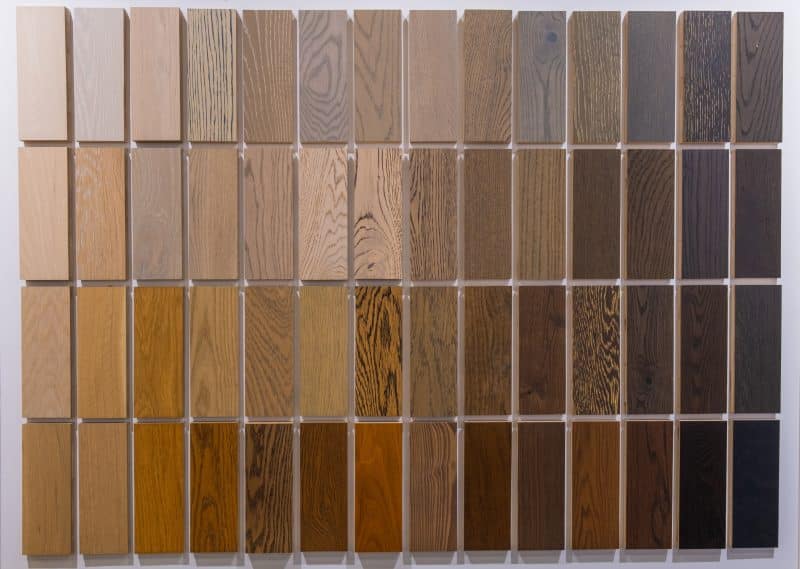
Because the pigments in Timber Oil are fully transparent and mix easily, blending your own color is simple. You don’t need any fancy tools—just pour and stir. Signature Brown is especially useful as a darkening agent. Add a little to Warm Honey Gold, Amaretto, or Brown Sugar to create subtle variations in depth and tone. This gives you complete control over your final finish, helping you match aged sections of wood or coordinate multiple surfaces across your property.
This flexibility is especially useful when working with multiple wood types or when trying to match a weathered section with new boards. You can test your blends with the Woodrich Sample Color Kit, which includes five 2-ounce bottles designed to help you find—or create—your perfect match before committing to a full gallon.
Why This Matters for Your Project
Understanding the differences in stain types isn’t just about looks. It’s about longevity, maintenance, and performance. Solid and semi-solid stains may promise instant coverage, but they’re far more likely to crack, peel, and disappoint. Transparent toner stains like Woodrich Brand Timber Oil offer a better experience—both during application and over time.
They soak in, stay put, and enhance the wood’s natural character. They’re also easier to maintain. When it’s time for a refresh, there’s no need to strip or sand. Just clean the surface, let it dry, and reapply. That’s the kind of simplicity and reliability every homeowner deserves.