
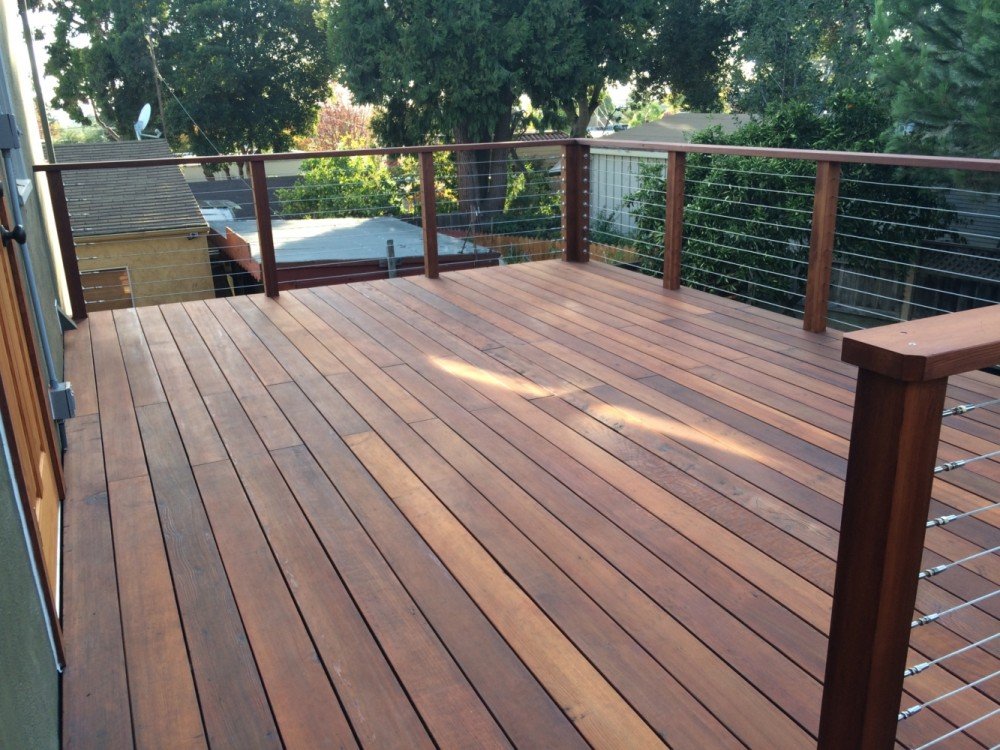
Redwood wood is well known for its natural beauty, durability, and longevity. But where does redwood itself originate? Knowing where it comes from, how regional variations differ, and where consumer demand is best met enables homeowners to make informed decisions when choosing materials for decks, fences, and other outdoor wood projects.
Where Is Redwood Grown?
Redwood trees (Sequoia sempervirens) are most cultivated along the northern California and southern Oregon coastal areas. Redwoods receive the ideal climate, cool, damp, and foggy to grow in those regions. Redwoods differ from most other tree types in that they can live for thousands of years and reach incredible heights of over 300 feet. The Californian protected forests are closed to logging, but redwood lumber for building is cut from regulated private forests.
How Much Redwood Lumber Is Sold Each Year?
An industry estimate says that between 650 million and board feet of redwood lumber are sold and harvested each year. A high percentage of that supply originates in sustainably managed forests. The amount is much less than more abundant materials such as pine, making redwood a high-end choice. Yet demand is still high because of redwood’s unparalleled look and performance in out-of-doors environments.
Why Do People Like Redwood Lumber?
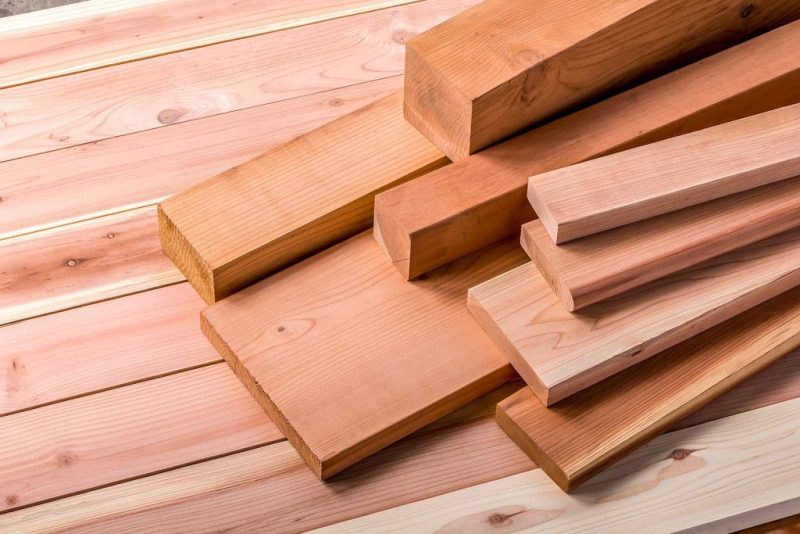
Redwood lumber is still a popular option due to numerous reasons:
- Natural Decay Resistance: Redwood heartwood is naturally resistant to insects and fungal decay due to tannins.
- Dimensional Stability: It warps and shrinks less than most softwoods.
- Aesthetic Value: The strong reddish color and straight grain pattern provide an elegant, warm look.
- Workability: Redwood is light in weight and easy to saw, nail, and sand.
These characteristics qualify redwood for premium decks, siding, and trim applications where both looks and performance are critical.
Local Redwood Sourcing Variations
In the US, availability of lumber sometimes varies by region:
- West Coast: It is here that the majority of redwood is being harvested and milled. It’s readily available and more affordable to the consumer in this area.
- Midwest and Northeast: Redwood is found but less prevalent and higher-priced due to shipping.
- South: Redwood is usually a specialty product and so is usually replaced by pressure-treated pine or cedar in this part of the country.
Although basic redwood qualities do not vary significantly based on location, availability and price definitely do.
Is All Redwood the Same?
Kind of not. Redwood lumber is graded according to which portion of the tree it is from:
- Heartwood: Removed from the core of the tree, heartwood is darker, denser, and less subject to decay.
- Sapwood: Occurring on the periphery, sapwood is lighter in appearance and less resistant to decay, yet still desirable and functional.
Being aware of these differences assists shoppers in selecting the best material for their project, whether looks or durability is the primary concern.
Final Thoughts
Redwood is a strong choice for wood decks, fences, or siding because it holds up well outdoors without much maintenance. It’s naturally resistant to rot, decay, and insects, so it lasts longer than many softwoods. It also stays stable in heat and humidity, which means fewer issues with warping or splitting. The rich color and straight grain give it a finished look even without stain, though it also takes stain well if you want added protection or a specific tone. Redwood is lightweight but strong, making it easier to work with during installation.
FAQs
Is redwood a hardwood or softwood?
Redwood is a softwood, although it provides many of the long-lasting qualities commonly found in hardwoods.
Is redwood suitable for ground-contact applications?
Yes, but you should use heartwood-grade redwood and seal it properly to prolong its life with direct soil contact.
Is redwood eco-friendly?
Yes. Most redwood is from certified sustainable forests. It also sequesters carbon, which results in a reduced environmental impact.
Must redwood lumber be stained or sealed?
Although redwood resists rotting on its own, the use of a stain or sealant, particularly in highly exposed areas, is beneficial to maintain its color and integrity.
Is redwood better than cedar when used outdoors?
They are both very good choices, but redwood tends to have more resistance to warping and a deeper natural color, so it is often chosen for high-end applications.
Next time you’re planning a deck or siding project and want a naturally beautiful, long-lasting wood, redwood is well worth considering. And with the Woodrich brand, you’ll bring out the best in every board.