
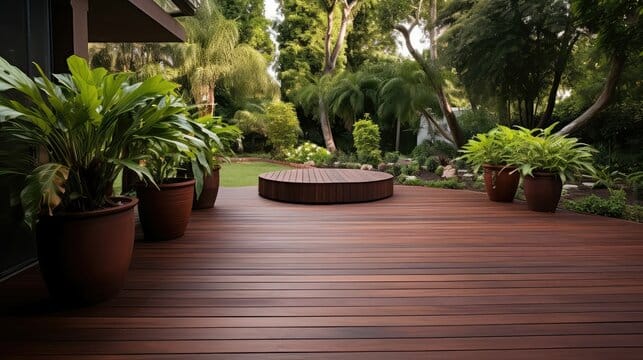
Ipe wood, or Brazilian Walnut, is among the strongest and most beautiful hardwoods on the market today. Strong and resistant to the elements in its natural state, with a rich brown color, Ipe lumber is widely used for decking, siding, and other exterior projects. But where does this wood originate, and why is it so unique?
Where Is Ipe Grown?
Ipe trees (Handroanthus spp.) are indigenous to the rainforests of Central and South America, and majorly in nations such as Brazil, Bolivia, Peru, and Paraguay. The greatest commercial source is found in the Amazon region of Brazil, where the trees are slow-growing and hard-grained, developing the legendary strength of Ipe. These trees can reach heights of up to 100 feet and often take several decades to mature, making them a long-term investment for forestry operations.
Because Ipe is harvested from tropical rainforests, sustainable sourcing practices are critical. The best Ipe lumber comes from operations that are certified by the Forest Stewardship Council (FSC), ensuring responsible forestry practices that help preserve the rainforest ecosystem.
How Much Ipe Is Sold Each Year?
Exact quantities change, but the United States brings in hundreds of thousands of board feet of Ipe lumber annually. It’s a premium product, so although it doesn’t represent the greatest quantity in the hardwoods market, its high price gives it an important presence in the outdoor wood market. Demand pushes higher in the spring and summer months when construction projects rise.
Why Do People Like Ipe?
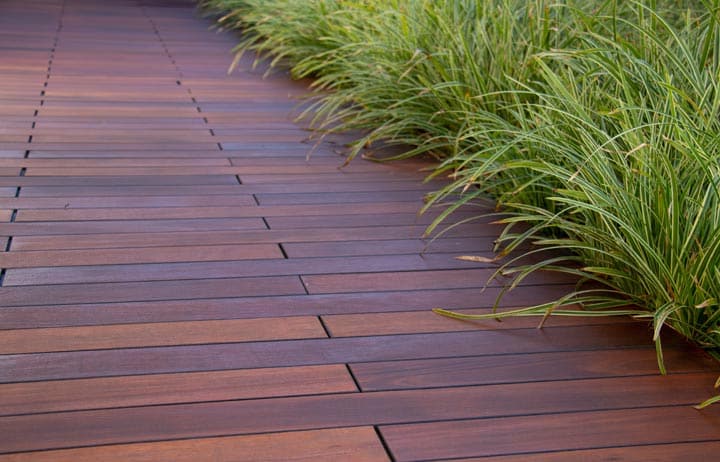
Homeowners and builders use Ipe wood for numerous compelling reasons:
Unparalleled Strength: Ipe is the second-hardest wood in the world. It has a Janka hardness of over 3,500, more than twice as hard as oak.
Intrinsic Resistance: It is inherently resistant to moisture, bugs, mold, and even flames (rated Class A, along with concrete and steel).
Longevity: If well maintained, Ipe wood will endure 40 years or more without having to be replaced.
Low Maintenance: Minimal care will ensure its structural strength, although some owners prefer to oil it from time to time to maintain its rich brown color.
Beautiful Appearance: The deep, chocolate-brown shades and intricate grain patterns ensure that it is a beautiful-looking option for decks, fences, and cladding.
Do Different Parts of the US Get Ipe from Different Sources?
Overall, the majority of Ipe wood that finds its way to the U.S. is supplied by Brazilian exporters and arrives at huge distribution centers in the form of ports in Florida, Texas, and California. From there, it gets distributed throughout the nation according to local demand. Some East Coast companies import Ipe through Gulf ports, whereas West Coast distributors receive it through Pacific shipping routes. In most cases, though, the origin remains the same—Brazil—with some small quantities coming from other South American countries.
How Does the Wood Vary from Various Sources?
Most Ipe lumber possesses similar characteristics irrespective of the source, but there may be variations based on soil type and growing conditions. For instance:
- Ipe from arid areas might slightly have an uneven color.
- Brazilian Ipe tends to be more uniform in terms of grain and density because of the large-scale commercial tree farms.
- Bolivian or Paraguayan lumber may contain a broader palette of colors and may be ever so slightly less dense, depending upon the particular subspecies and how it is harvested.
But even so, FSC-certified Ipe should have high levels of performance and appearance.
Conclusion
Ipe lumber is an incredible natural resource, providing beauty and functionality in a challenging outdoor world. Knowing where it originates and how it’s harvested ensures that you make an intelligent, responsible choice for your project. At Woodrich Brand, we’re committed to educating our customers and providing them with quality materials so they can confidently and proudly tackle their projects.
FAQs
1. Is Ipe wood eco-friendly?
Ipe can be eco-friendly if sourced from FSC-certified forests. Look for certification to ensure your purchase supports sustainable forestry.
2. Can Ipe wood be stained or painted?
While it’s possible to stain Ipe, most people choose to oil it to retain its natural beauty. Paint typically doesn’t adhere well to its dense surface.
3. How should Ipe wood be maintained?
Clean the surface every year and treat it with UV-resistant oil if you’d like to keep the original color. Otherwise, it will patina to a silver-gray.
4. Is Ipe good enough for colder climates?
Yes. Ipe’s density renders it extremely resistant to shrinking and cracking, thus ideal for all climates, including snowy and cold climates.
5. Why is Ipe so much more costly than other hardwoods?
Its price is due to its unparalleled durability, weather resistance, and cost of importing heavy, tropical hardwood from South America.
If you’re thinking about Ipe wood for your next project, begin with reliable information from Woodrich Brand and tried-and-true products that ensure you get it right the first time.