
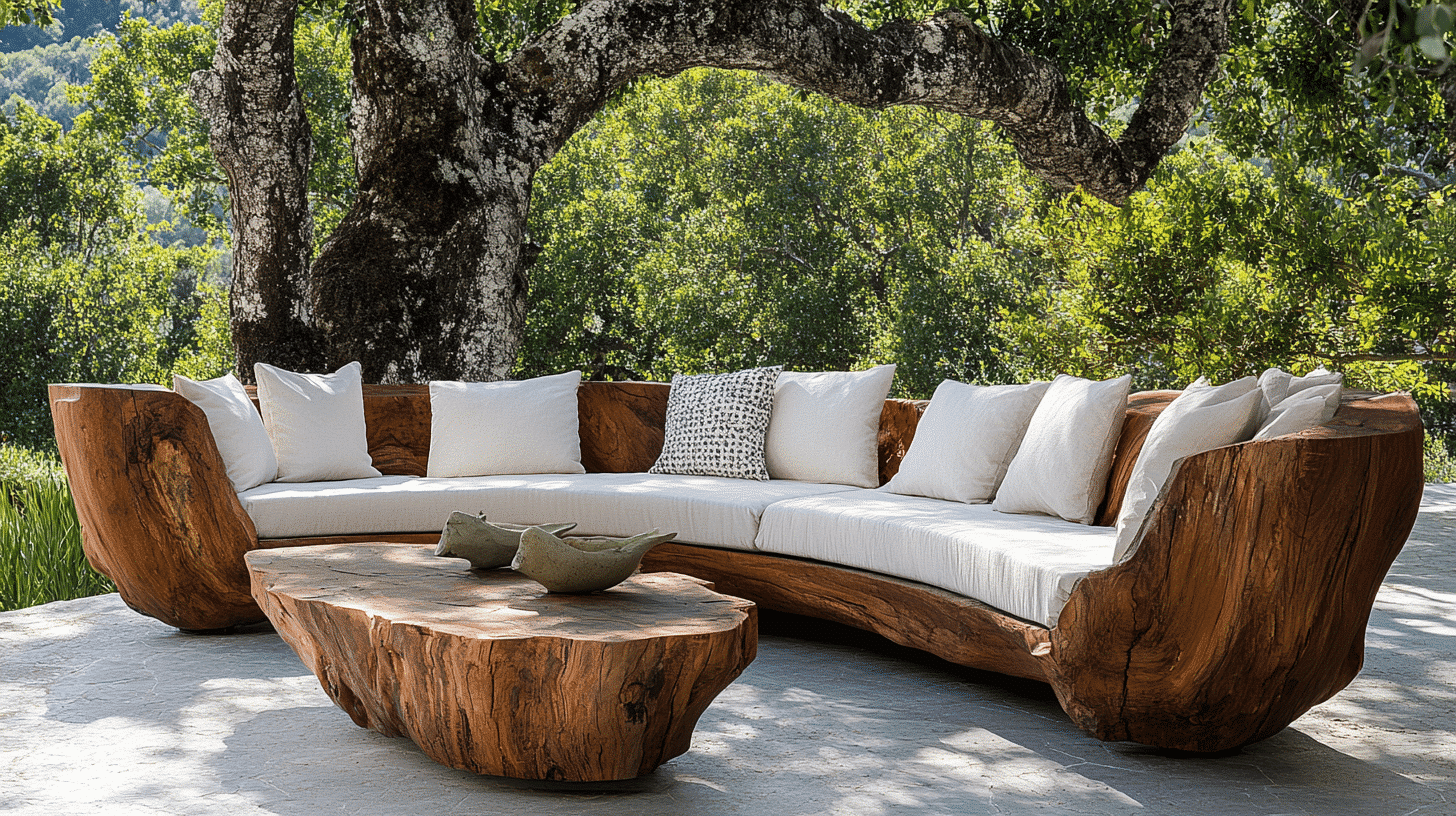
Identifying different types of wood used in furniture is a crucial skill for anyone interested in restoration. Whether you’re a professional restorer or a DIY enthusiast, understanding the wood types and their specific restoration requirements can save you time and effort. This article will guide you through the most common types of wood used in furniture, how to identify them, and their specific restoration needs.
Oak is one of the most popular types of wood used in furniture. Known for its durability and distinct grain patterns, oak is often used in high-quality pieces.
Identification
Oak has a prominent grain pattern with large, open pores. It is typically light to medium brown in color, although it can be stained in a variety of shades.
Restoration Requirements
Oak is relatively easy to restore. Sanding can be used to remove scratches and dents. Oak can be stained or left natural, but it’s essential to use a sealant to protect the wood from moisture.
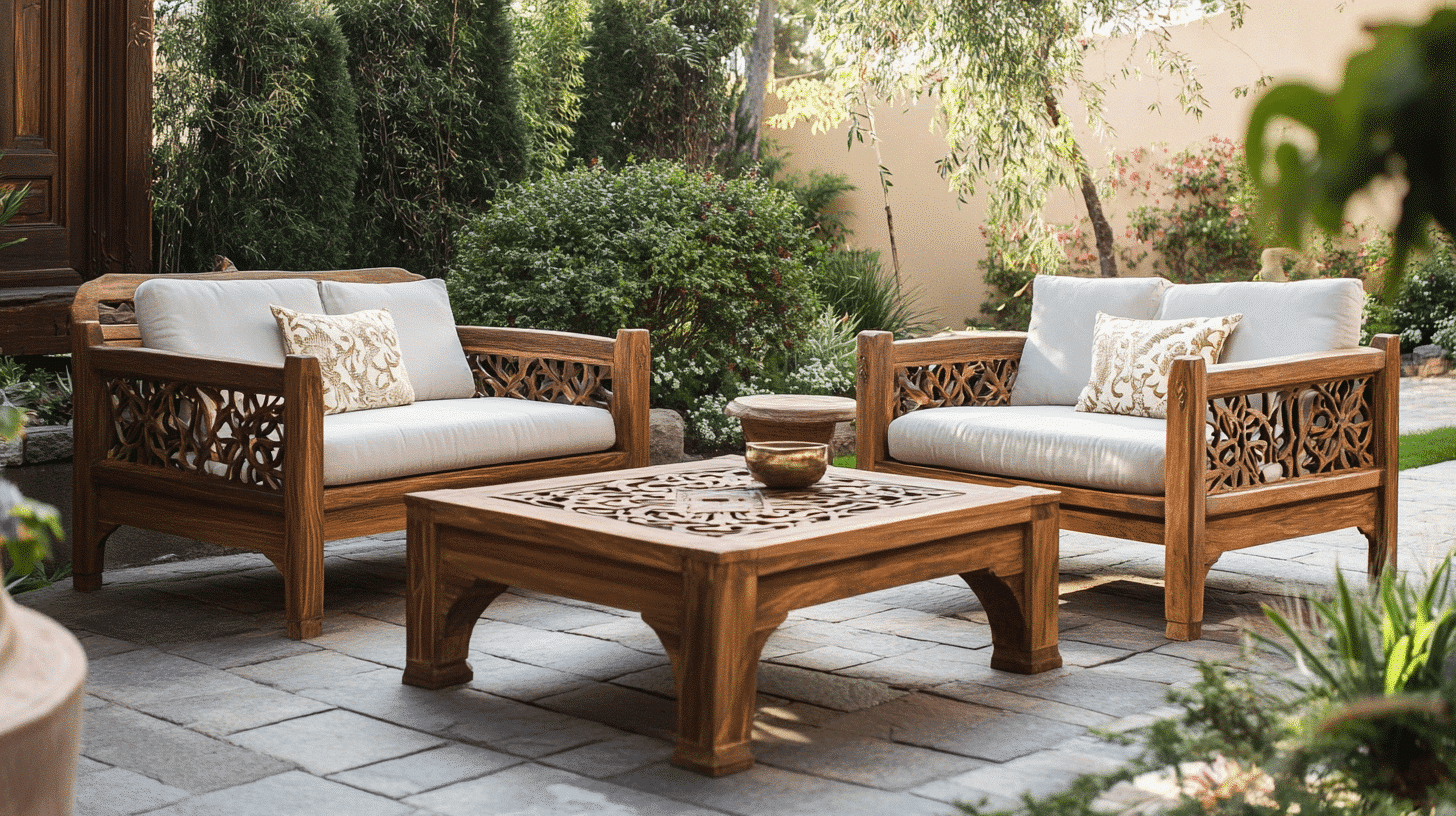
Mahogany is a luxurious wood often used in fine furniture. It is known for its rich, reddish-brown color and smooth grain.
Identification
Mahogany has a straight, fine grain and a reddish-brown hue. It darkens with age, giving it a distinctive, elegant look.
Restoration Requirements
Mahogany is relatively soft and can be easily scratched. Careful sanding is required, and it’s often best to use a filler to maintain a smooth surface. Polishing can enhance its natural shine.
Maple is a sturdy and versatile wood, commonly used in both modern and antique furniture.
Identification
Maple has a fine, even grain and ranges in color from creamy white to light reddish-brown. It has a smooth texture, making it easy to identify.
Restoration Requirements
Maple is hard and can be challenging to sand. It is often left natural or stained lightly to highlight its grain. A good finish is essential to protect it from wear and tear.
Cherry wood is valued for its rich color and smooth grain. It is often used in high-end furniture pieces.
Identification
Cherry wood has a smooth, straight grain and ranges in color from light pink to reddish-brown. It darkens over time, developing a rich patina.
Restoration Requirements
Cherry is relatively easy to work with, but it requires careful sanding to avoid blotching. Using a pre-stain conditioner can help achieve an even finish. Cherry is often oiled or lacquered to enhance its natural beauty.
Pine is a softwood commonly used in rustic and casual furniture. It is affordable and easy to work with.
Identification
Pine has a distinctive, knotty appearance and ranges in color from pale yellow to light brown. It has a straight grain with a medium to coarse texture.
Restoration Requirements
Pine is soft and can dent easily. Gentle sanding is required, and it’s often best to use a wood conditioner before staining to avoid blotchiness. Pine can be left natural, stained, or painted.
Walnut is a dark, elegant wood often used in fine furniture. It is known for its rich color and distinctive grain patterns.
Identification
Walnut ranges in color from light brown to dark chocolate brown, often with a purplish cast. It has a straight grain with occasional waves or curls.
Restoration Requirements
Walnut is relatively easy to work with but requires careful sanding to avoid removing too much material. It’s often oiled or varnished to bring out its natural beauty.

Identifying wood types can be challenging, but there are a few key characteristics to look for:
The grain pattern is one of the most distinctive features of wood. Oak, for example, has a prominent, open grain, while maple has a fine, even grain. Learning to recognize these patterns can help you identify different types of wood.
The color of the wood can also be a helpful clue. Mahogany has a rich, reddish-brown hue, while pine is pale yellow. Keep in mind that wood can change color over time and can be stained, so this is not always a definitive indicator.
The texture of the wood can also provide clues. Walnut has a smooth texture, while pine is coarser. Running your fingers over the surface can help you distinguish between different types of wood.
Before you start any restoration project, it’s essential to prepare the wood properly. This often involves cleaning, sanding, and sometimes stripping old finishes.
Sanding is a crucial step in the restoration process. Different types of wood require different sanding techniques. For example, oak and walnut can be sanded more aggressively, while softer woods like pine and cherry require a gentler touch.
Staining and finishing are essential to protect the wood and enhance its natural beauty. Different woods take stain differently, so it’s important to test on a small, inconspicuous area first. Sealants and finishes can also vary, so choose one that is appropriate for the type of wood you are working with.
Identifying different types of wood in furniture and understanding their specific restoration needs is crucial for successful restoration projects. By paying attention to grain patterns, color, and texture, you can accurately identify the wood and choose the appropriate restoration techniques. Whether you’re working with oak, mahogany, maple, cherry, pine, or walnut, knowing the specific requirements for each type will help you achieve the best results.
By following these guidelines, you can ensure that your furniture restoration projects are successful, bringing new life to treasured pieces and preserving their beauty for years to come.
Woodrich products are formulated to provide superior performance when it comes to staining, sealing, and cleaning wood surfaces. Their stains are designed to enhance the natural beauty of various wood types, ensuring even color distribution and long-lasting results. By using Woodrich stains, you can achieve a professional finish that effectively highlights the grain and texture of the wood.
Protecting your wood surfaces is essential for their longevity. Woodrich sealers create a durable barrier against moisture, UV light, and other environmental factors that can lead to deterioration. Their products not only safeguard against wear and tear but also aid in preserving the beauty of the wood over time. Regular application of Woodrich sealers can help prevent fading and surface damage, ensuring that your furniture remains stunning and functional.
Whether you’re a DIY enthusiast or a professional restorer, Woodrich products are designed for ease of use. Their formulas allow for efficient application with minimal fuss, making the restoration process more enjoyable. Clear instructions and thorough support mean you’ll be able to achieve the desired results with confidence, regardless of your experience level.
By incorporating Woodrich stains, sealers, and cleaners into your restoration projects, you not only enhance the beauty of your wood pieces but also ensure their protection and longevity.