
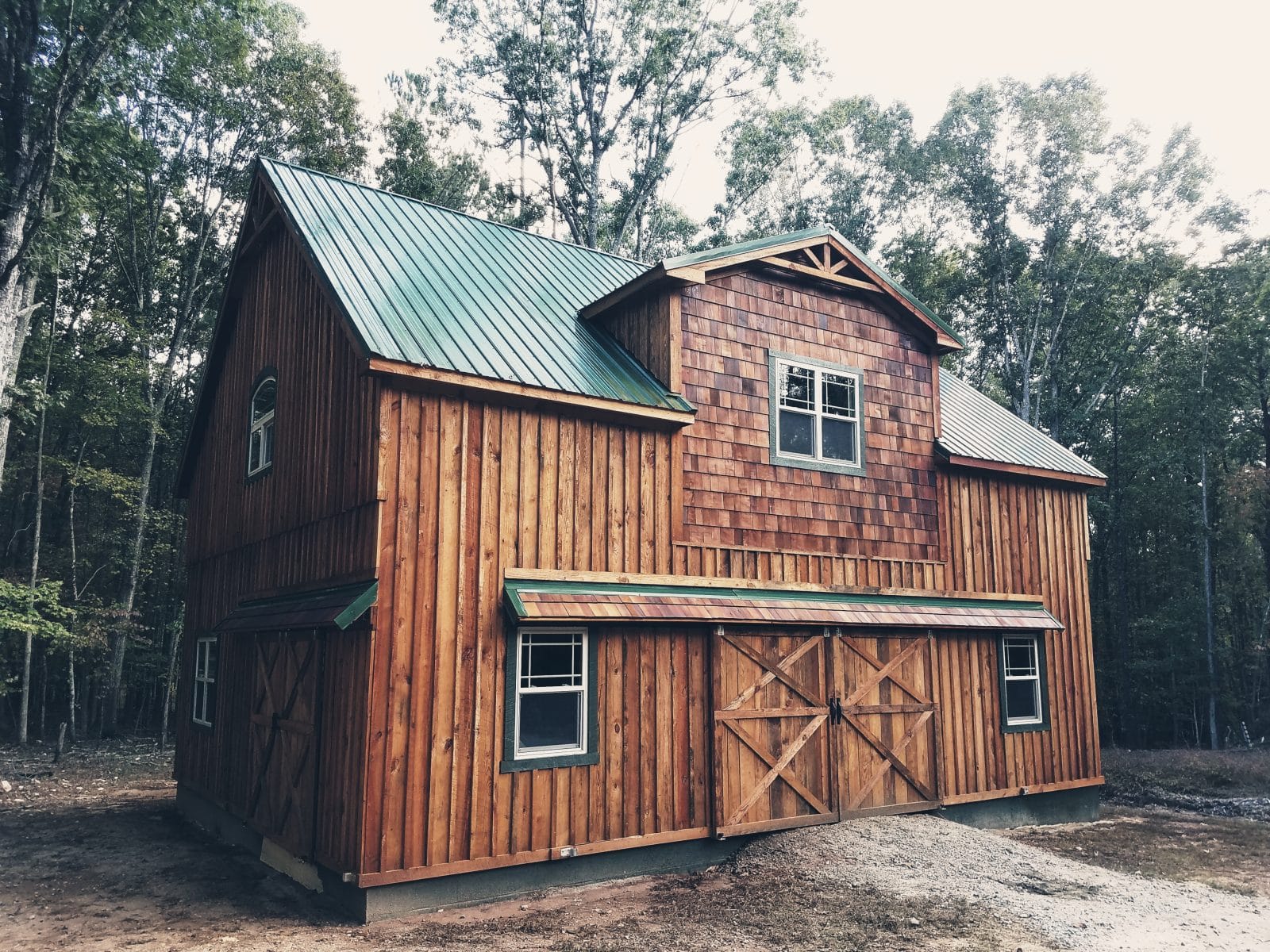
Deep Penetrating Timber Oil is The Best Stain for Wood Siding
When it comes to protecting and enhancing wood siding, nothing performs like a deep penetrating Timber Oil. This deep penetrating stain is designed to soak into the wood fibers rather than sit on the surface. That means it won’t crack or peel over time. Woodrich Brand Timber Oil uses premium transparent oxide pigments, which help protect against UV damage while letting the natural grain and detail of the wood shine through. It’s easy to apply, forgiving to work with, and lasts longer than most water-based or film-forming finishes.
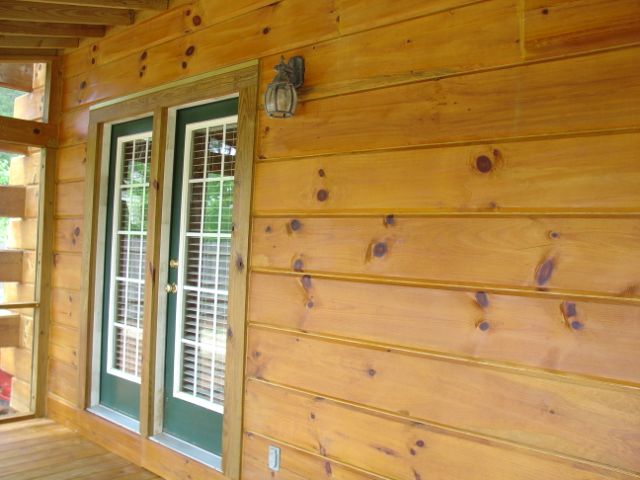
Choose a Deep Penetrating Timber Oil for Wood Siding
Penetrating oil stains provide the most reliable long-term protection for exterior wood siding. Unlike surface coatings, they move with the wood as it expands and contracts in changing weather conditions. Timber Oil dives deep into the wood, feeding and sealing it from the inside out. Because it bonds with the wood instead of forming a brittle layer on top, there’s nothing to crack, peel, or trap moisture underneath.
Film Forming Finishes Crack and Peel
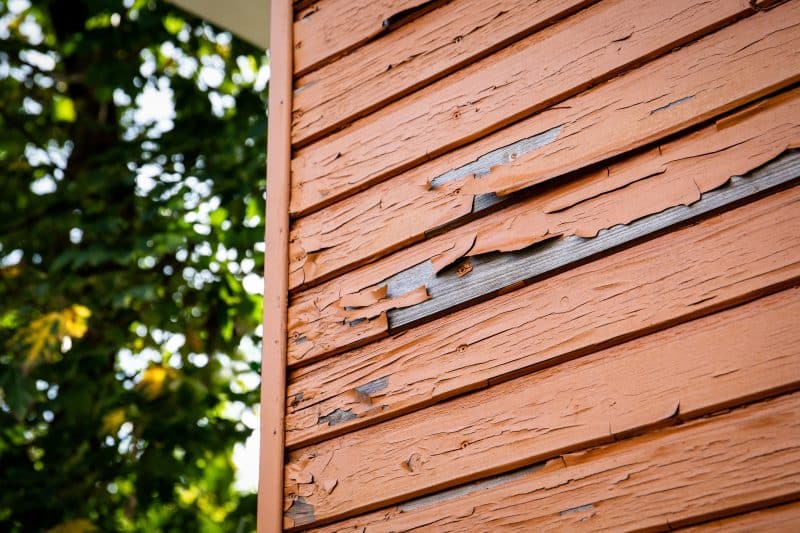
Many box store stains and paints form a film that sits on the surface of the wood. These finishes may look good at first, but they quickly become brittle. As the siding shifts with changes in temperature and humidity, that film starts to split, crack, and peel away. Once that happens, water can get trapped beneath the surface, leading to rot, mold, and costly repairs.
Transparent Oxide Pigments Allow the Beauty of the Wood to Show Through
Woodrich Brand Timber Oil uses high-quality transparent oxide pigments. These pigments are ground so fine they can penetrate into the wood, rather than coating it with a cloudy layer. They add rich, natural color while preserving the fine details and grain of the siding.
Solid Finishes Look Like Paint
Solid stains and paints cover up the character of the wood. They form a thick coating that hides the natural texture, often making real wood look like plastic. If you’re going to use real wood for siding, it makes sense to let it look like wood. A solid finish might seem durable, but it requires constant maintenance and looks less authentic.
Semi Transparent Finishes Are Cloudy
Some semi-transparent stains try to strike a balance between color and clarity but end up doing neither well. They often contain cheap clay pigments that sit on the surface and make the wood look muddy or dull. These finishes don’t penetrate well, and they don’t last. Over time, they become blotchy, especially when exposed to sunlight and rain.
Q: What is the best stain for wood siding?
A: A deep penetrating, oil-based stain like Woodrich Brand Timber Oil is the best stain for wood siding. It penetrates the wood, doesn’t peel, and protects against UV damage while preserving the natural look of the wood.
Q: Why do film-forming stains fail on siding?
A: Film-forming stains sit on top of the wood. They don’t move with it, so they crack and peel as the siding expands and contracts. That leads to trapped moisture and early failure.
Q: What makes transparent oxide pigments better?
A: Transparent oxide pigments are micro-ground so they penetrate into the wood. They offer long-lasting UV protection without hiding the natural grain and detail.
Q: Can I use Timber Oil on cedar siding?
A: Yes. Timber Oil works very well on cedar. It brings out the rich tones and protects the wood without masking its texture.
Q: How long does Timber Oil last on siding?
A: On south-facing walls in full sun, expect 3 to 4 years between applications. In shaded areas, it can last much longer.