
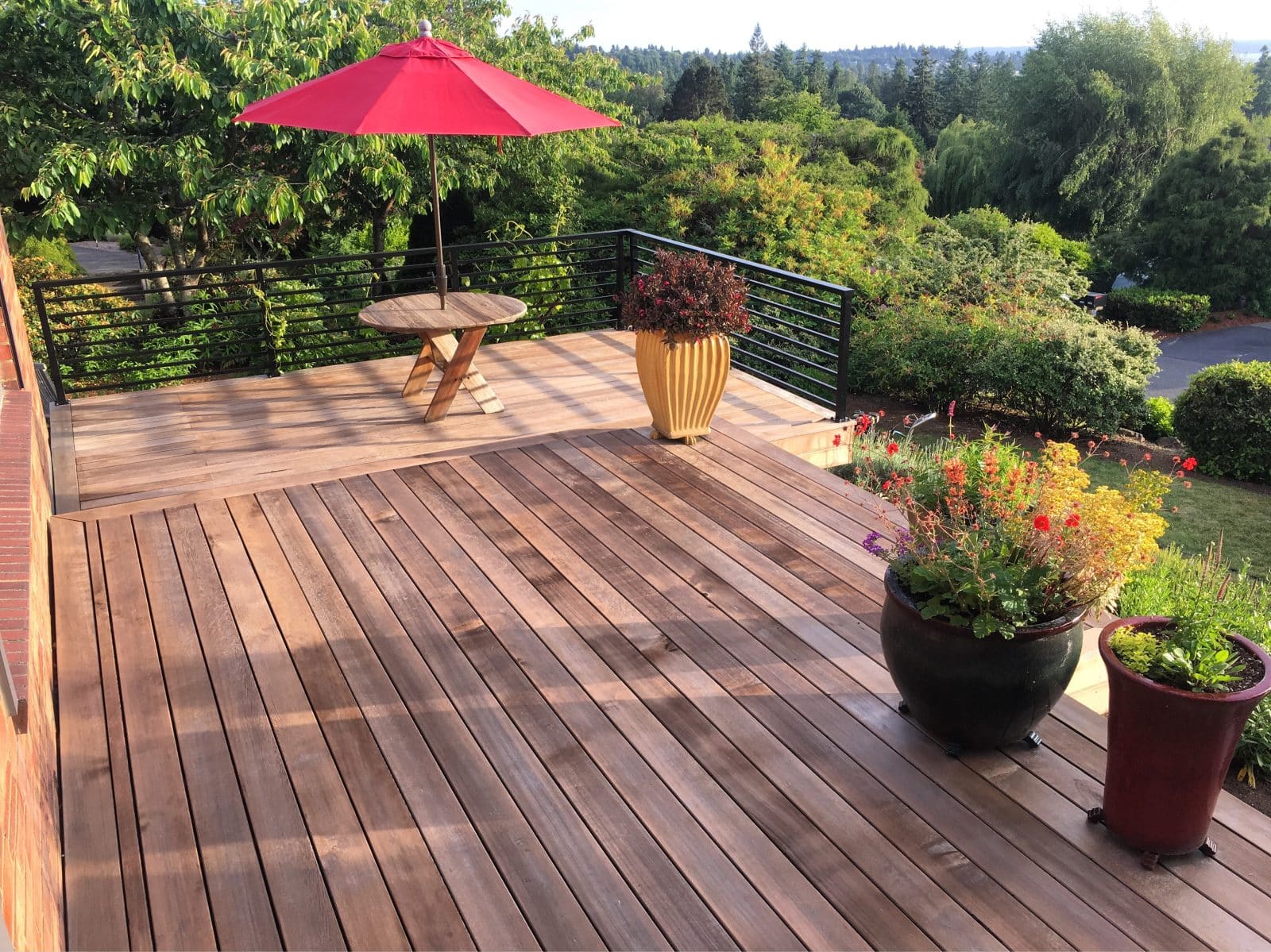
Cedar wood is among the most sought-after woods for outdoor building projects such as decks, fences, and siding and for many good reasons. It’s exceptionally durable naturally, easy to use, and boasts a warm, ageless appearance. But where does cedar actually originate, and how does that impact its quality?
Let’s take a closer look so you can make the best decisions for your next project.
Where is Cedar Wood Grown?
Most cedar wood sold in the U.S. is from two primary species: Western Red Cedar and Eastern White Cedar.
Western Red Cedar is largely found in the Pacific Northwest, British Columbia, Washington, Oregon, and Northern California. These timber stands yield large, straight-grained trees well-suited for being milled into longboards.
Eastern White Cedar, however, is native to the northeastern U.S. and Canadian east. It’s smaller than Western Red Cedar but still provides remarkable rot resistance and natural good looks.
How Much Cedar is Sold Each Year?
Cedar wood is in continuous demand year in and year out. Western Red Cedar production alone totals about 1 billion board feet per year, based on reports by the Western Red Cedar Lumber Association. This might be a lot, but cedar is still a high-end softwood, and supply can vary with forest management policies and export requirements.
This is one of the reasons that cedar lumber generally remains more expensive than other softwoods, it’s not availability, it’s policy.

Why Do People Enjoy Cedar Wood?
Cedar is selected not only for appearance, but for its performance.
Natural resistance: Cedar wood contains natural oils and tannins that naturally repel rot, decay, and insects, no chemical treatment needed.
Workability: It sands, cuts, and finishes with ease, even for a do-it-yourself enthusiast.
Thermal performance: Cedar warps and expands less than other types of wood, so it is a good choice for siding and trim.
Aesthetic appeal: Rich red-brown color and a characteristic grain, cedar weathers to a silver-gray if not treated.
Individuals rely on cedar for both durability and its capacity to enhance the look of any outdoor endeavor.
Do Different Parts of the US Get Cedar Lumber from Different Sources?
Yes, geography plays a big role in what type of cedar you’re likely to find at your local lumberyard.
West Coast: Western Red Cedar dominates the market. It’s locally sourced, making it more affordable and widely stocked in this region.
Northeast and Midwest: Western Red Cedar (imported) is often combined with Eastern White Cedar (local). For small projects such as fences or siding, Eastern White Cedar is used.
Southern US: Western Red Cedar is still possible, but sometimes at a premium price due to shipping. In the South, builders will also use Cypress or Pressure Treated Pine as a substitute, depending on budget and desired end product.
Knowing your area’s availability assures you’re selecting wood that’s not only gorgeous but also available and convenient for your area.
How Does Cedar Wood Vary Based on the Source?
All cedar is not the same. Here’s why:
Western Red Cedar: Tends to be darker in color with more consistent grain. It tends to get bigger, meaning longer, wider planks with fewer knots. Excellent for premium decks, siding, and pergolas.
Eastern White Cedar: Lighter color, more apparent knots. Still highly resistant but use where less board length is desired such as fencing or shingles.
Heartwood vs. Sapwood: Regardless of the type, heartwood (the heart of the tree) is more resistant to rot than sapwood, the outside layer. If you care about longevity, particularly at ground contact, use heartwood.
Conclusion
Cedar lumber is not just a material option, it’s an options choice. Whether it’s for a deck, fence, or cedar siding, understanding the origin of your cedar sets you up to make smarter choices and steer clear of common headaches.
FAQs
1.) Is cedar wood good for decks?
Yes, cedar is great for decks due to its inherent resistance to moisture, insects, and rot. Just take care to clean and seal it properly to make it last longer.
2.) How long does cedar siding last?
Cedar siding can endure 20–30 years or longer with proper maintenance, particularly if sealed and shielded from excessive exposure to moisture.
3.) Does cedar wood need to be sealed or stained?
Cedar can be left unsealed and allowed to age naturally, but sealing or staining it will keep the color and increase the longevity. Use a product formulated for cedar.
4.) How do I know whether my wood is Western Red Cedar or Eastern White Cedar?
Western Red Cedar tends to be darker and more fragrant and has longer boards. Eastern White Cedar is lighter with knots showing more and shorter boards.
5.) What’s the best way to clean and restore cedar wood?
Use a percarbonate-based cleaner to remove dirt and gray weathering, followed by a pH-neutralizing brightener exactly the kind of system Woodrich Brand provides to get cedar looking like new again.