

Building a boathouse is no small feat. Whether you’re an avid boater, a woodworking enthusiast, or simply love the outdoor lifestyle, the boathouse materials used can make all the difference.
In this guide, we’ll walk you through the essential considerations when choosing between hardwood and softwood for your boathouse — focusing on durability, water resistance, and long-term performance. Let’s get started!
When constructing a boathouse, the choice of material is crucial. It affects not only the structure’s aesthetics but also its strength and longevity. Selecting the best wood for underwater use ensures that your boathouse can withstand constant exposure to moisture, UV rays, and changing weather conditions.
In addition to durability, the type of wood you choose can impact cost, installation, and even your project’s environmental footprint. By understanding these factors, you can make an informed decision that balances performance, sustainability, and visual appeal.
Hardwood comes from angiosperm trees, such as oak, maple, and teak. These species grow slowly, resulting in dense, durable lumber — often considered among the best woods for underwater use.
Hardwoods are strong, resistant to dents and scratches, and ideal for long-term projects where strength and durability are essential. However, they can be more expensive and may require specialized tools for installation due to their density.
Softwood comes from gymnosperm trees like pine, cedar, and spruce. These woods grow faster, making them lighter, softer, and often more budget-friendly.
Softwood is easier to cut, shape, and install, which makes it a great choice for DIY boathouse projects. While it’s naturally less resistant to decay than hardwood, modern treatments can enhance its performance significantly.

Hardwoods like oak and teak are prized in marine construction for their natural resistance to water. Their dense fibers limit absorption, reducing the risk of rot and decay — a key factor when selecting the best wood for underwater use.
Even with these benefits, hardwoods still require regular sealing and staining to maximize protection and maintain appearance.
Softwoods may not be as inherently water-resistant, but they can be treated to withstand marine conditions. Pressure-treated pine is one of the most common boathouse materials used because it combines affordability with improved durability.
Cedar is another excellent choice, offering natural resistance to insects and decay thanks to its oils. With proper sealing and maintenance, softwoods can last for many years in damp environments.
A boathouse built with teak demonstrates how hardwood can endure moisture and UV exposure for decades with minimal upkeep. Similarly, an oak boathouse showcases the value of routine sealing and staining to preserve beauty and strength over time.
One successful project used pressure-treated pine, proving that treated softwood can perform reliably in marine settings when properly maintained. Another cedar boathouse project highlighted the balance between beauty and practicality — cedar’s warm tone and decay resistance made it both functional and attractive.
Hardwoods take longer to grow, which raises sustainability concerns. However, many suppliers now follow FSC-certified forestry practices, ensuring responsible harvesting and replanting.
Choosing FSC-certified hardwood helps maintain ecological balance while still offering the strength needed for a long-lasting boathouse.
Softwoods grow faster, making them a renewable option for environmentally conscious builders. Look for PEFC-certified or reclaimed sources to minimize environmental impact.
Using recycled wood is another sustainable approach that reduces waste while maintaining durability and charm.
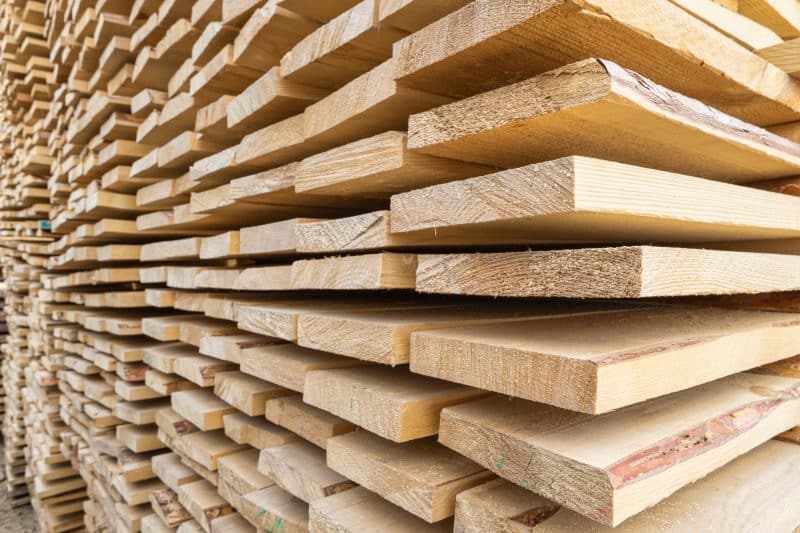
When sourcing wood for your boathouse, buy from reputable suppliers that offer certified, high-quality lumber. Request samples to evaluate appearance and density before committing to a full order.
Regardless of the wood type, proper treatment is essential. Apply sealants and stains to protect against moisture, UV rays, and insects. Regular cleaning and recoating will extend your boathouse’s lifespan and keep it looking its best.
When constructing your boathouse, use stainless steel or galvanized fasteners to prevent corrosion. Ensure proper ventilation and water drainage to reduce trapped moisture — especially critical for any structure built near or over water.
For areas with constant water exposure, pairing hardwood with marine-grade finishes ensures you’re using the best wood for underwater use while maintaining structural integrity.
Choosing between hardwood and softwood for your boathouse affects its durability, maintenance, and environmental footprint.
Both can perform exceptionally well with proper care and maintenance. Whether you’re aiming for a long-lasting hardwood dock or a cost-effective softwood boathouse, the right materials will ensure lasting performance and beauty.
Explore Woodrich Brand’s premium line of stains, sealers, and cleaners designed to protect marine wood surfaces. Our products help preserve both hardwood and softwood — ensuring your boathouse resists water, UV, and time.
Visit our online store and start your boathouse project today with confidence.